
Ambali 2.0: When Fermentation Becomes an Ecosystem
“The Healthy, Healthier and the Healthiest”
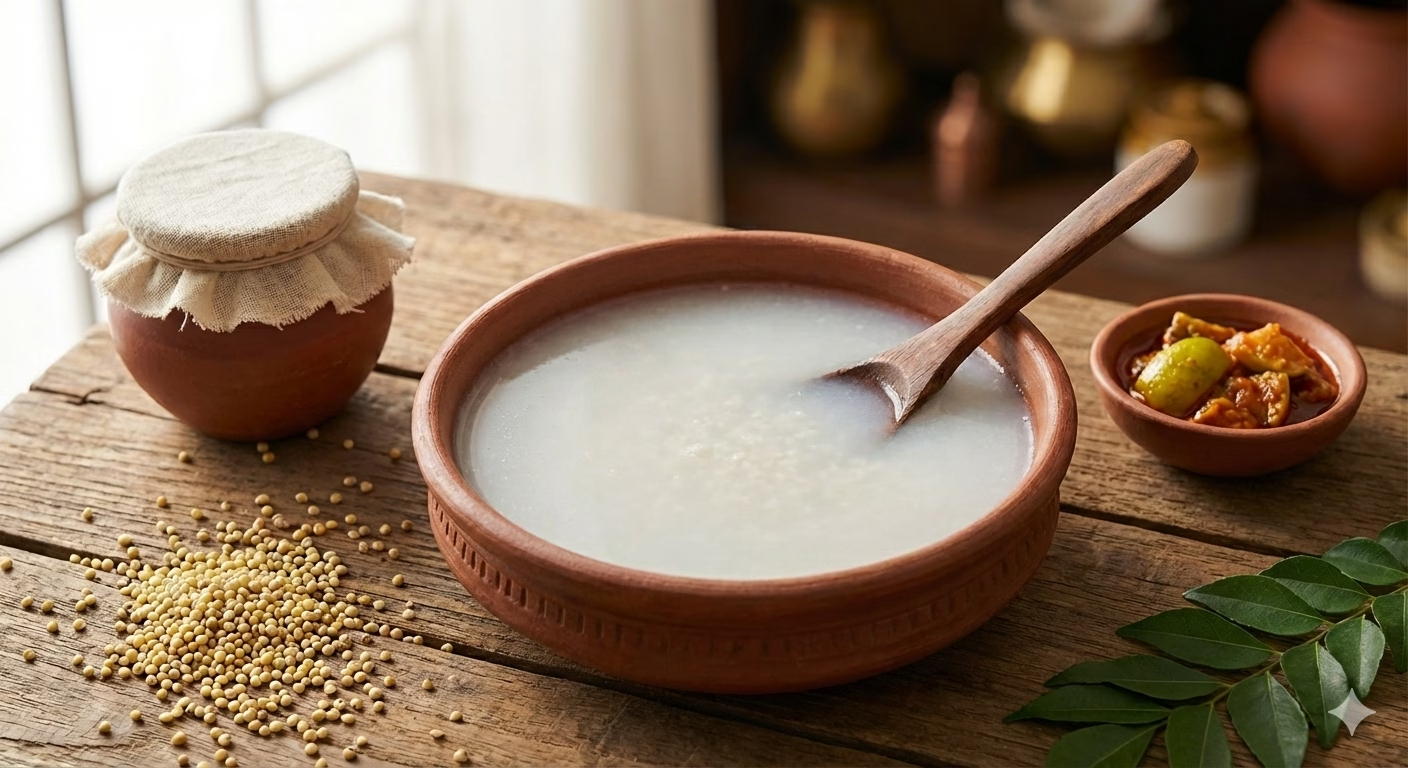
A Microbiome-Centric Fermented Food Practice
An Educational Article by Roodi Food (FSSAI-Safe & censored 😉)
At Roodi Food, we view food as a living system, not merely a source of calories.
One such practice that reflects this understanding is Ambali 2.0 — a refined, microbiome-aware way of preparing traditional millet ambali, inspired by the teachings of Dr. Khadar Valli and Dr. Sarala.
Ambali 2.0 is an evolved method — shaped by deeper insights into digestion, fermentation, and gut ecology — and is presented here purely as food education, without medical or disease claims for fssai compatibity.









What Is Ambali 2.0?
Across India, “ambali” or “kanji” has traditionally existed in many forms — often thick, calorie-dense, and meal-adjacent. These versions served their purpose in physically demanding, agrarian lifestyles.
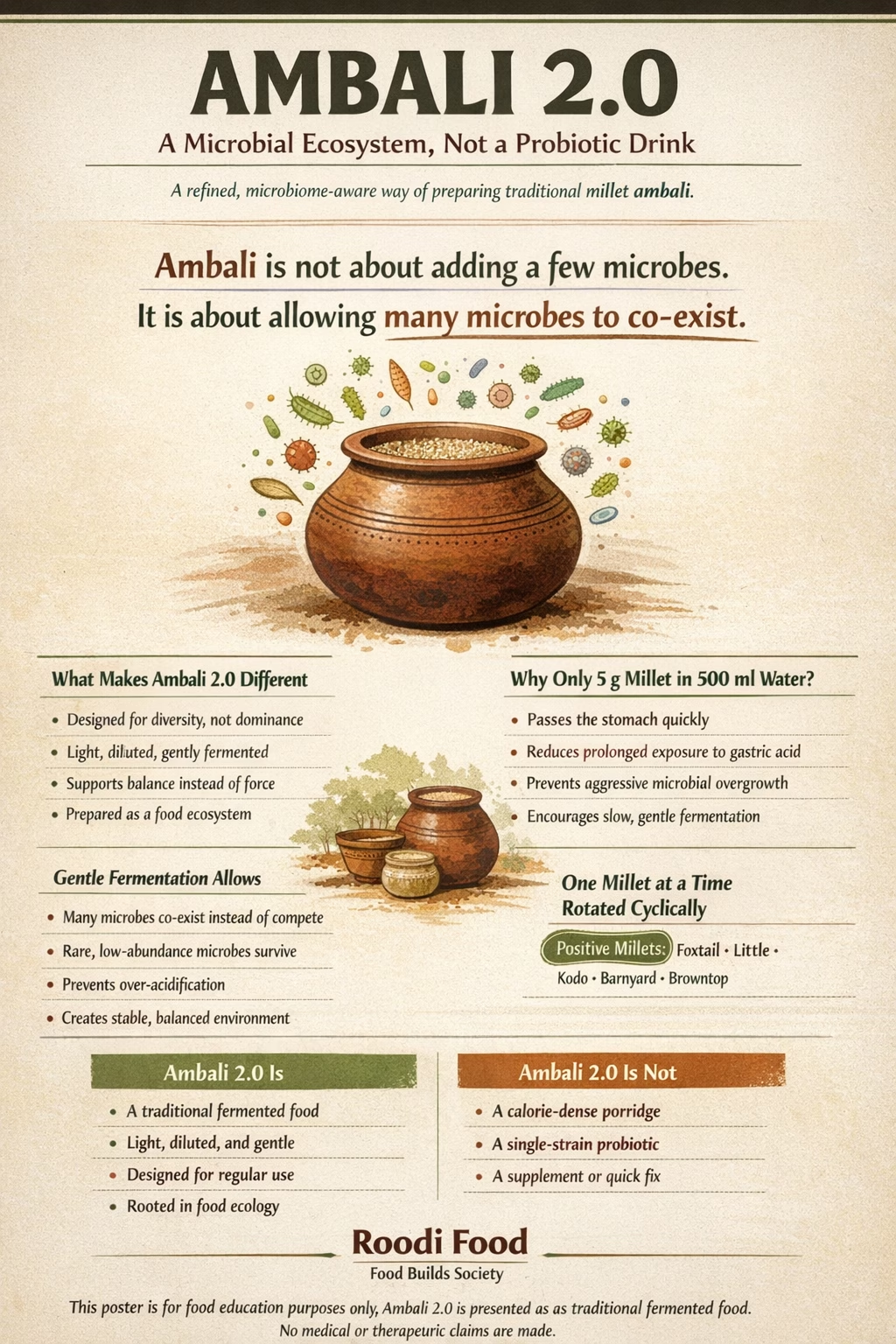
Ambali 2.0 refers specifically to a light, diluted, gently fermented preparation designed for daily dietary compatibility and microbial diversity, not fullness.
Defining features of Ambali 2.0
-
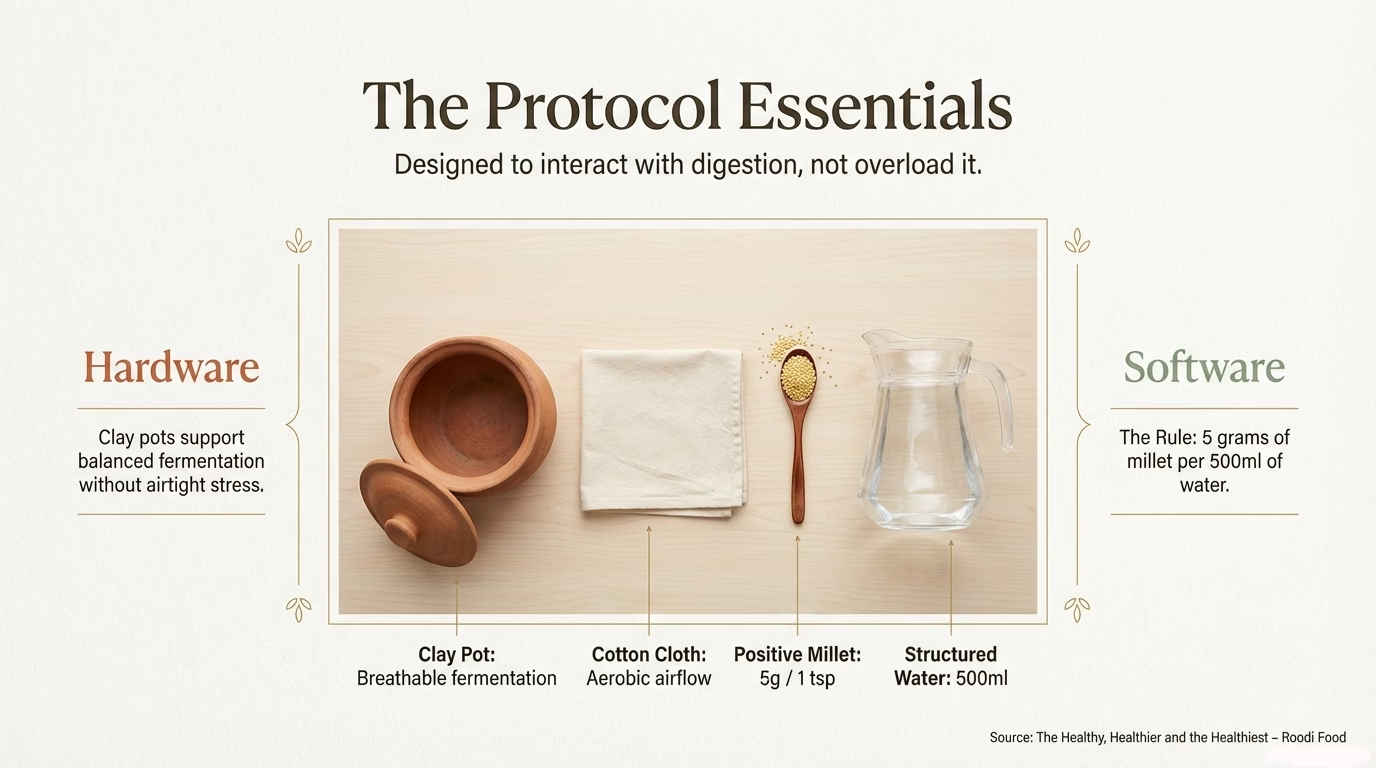
Very small millet quantity: ~5 g per serving
-
High water ratio: ~500 ml
-
Single millet at a time, rotated cyclically
-
Slow, natural fermentation
-
Clay pot or breathable fermentation
-
Focus on microbial diversity and balance, not thickness or calories
This distinction helps avoid confusion with older ambali forms while respecting their historical relevance.
Ambali Is Not a Single-Probiotic Drink
It Is a Microbial Ecosystem
Ambali is often misunderstood as a drink containing “a few good bacteria.”
Ambali 2.0 is designed very differently.
Ambali is not a single-probiotic preparation.
It is a microbial ecosystem.
Rather than encouraging the dominance of a few fast-growing organisms, Ambali 2.0 is prepared to support:
-
Diversity
-
Balance
-
Ecological coexistence
This philosophy is central to its design.
Why Gentle Fermentation Matters
When fermented gently — using low millet quantity, ample water, and traditional breathable vessels — the microbial behaviour changes fundamentally.
Under these conditions:
-
Many microbes co-exist instead of competing
-
Slow fermentation allows rare, low-abundance microbes to persist
-
Low substrate availability prevents aggressive microbial dominance
-
Clay pots support balanced, micro-oxygen exposure without airtight stress
The goal is not maximum microbial count, but microbial richness and stability.
Why Only 5 g of Millet?
From a conventional nutrition view, 5 g appears negligible.
From a digestive-ecology perspective, it is deliberate.
Educational rationale
-
Thin consistency empties faster from the stomach
Liquids pass more quickly than thick foods, reducing prolonged exposure to gastric acid. -
Gentle on digestion
Avoids heaviness and allows regular daily use. -
Supports controlled fermentation
Prevents excessive acidity or gas-forming dominance. -
Encourages microbial diversity
Rather than over-feeding a narrow microbial group.
In simple terms:
Ambali 2.0 is designed to interact with digestion, not overload it.
Why Single Millet, Rotated Cyclically
Each positive millet has a distinct fiber structure that interacts differently with gut microbes.
The five commonly rotated positive millets are:
-
Foxtail millet
-
Little millet
-
Kodo millet
-
Barnyard millet
-
Browntop millet
Rotating millets supports dietary diversity, a principle shared by traditional food systems and modern nutritional science.
Probiotic Nature of Ambali (Educational View)
As a naturally fermented food, Ambali 2.0:
-
Introduces beneficial live microbes
-
Supports microbial diversity in the gut environment
-
Produces organic acids that help maintain fermentation stability
Traditional experts often describe foxtail millet ambali as supporting extremely high microbial diversity, sometimes expressed in symbolic numbers such as “thousands of microbial types.”
This refers to ecological richness, not laboratory-certified strain counts.
Digestive Comfort & Nutrient Availability
Fermentation:
-
Partially breaks down complex carbohydrates
-
Improves availability of minerals like iron and calcium
-
Is traditionally associated with better utilisation of certain B-group vitamins
Ambali 2.0 is therefore viewed as digestive-friendly, particularly when compared with unfermented grains.
For detailed demonstrations and authentic guidance on millet practices and best health guidelines, we highly recommend the Millet Magic YouTube Channel.
Here is the latest Videos on Ambali
Ingredients
-
5 g (≈1 teaspoon) millet
Choose one: Foxtail, Kodo, Little, Barnyard, or Browntop millet
(Whole grain or millet rava ) -
500 ml clean drinking water, structured
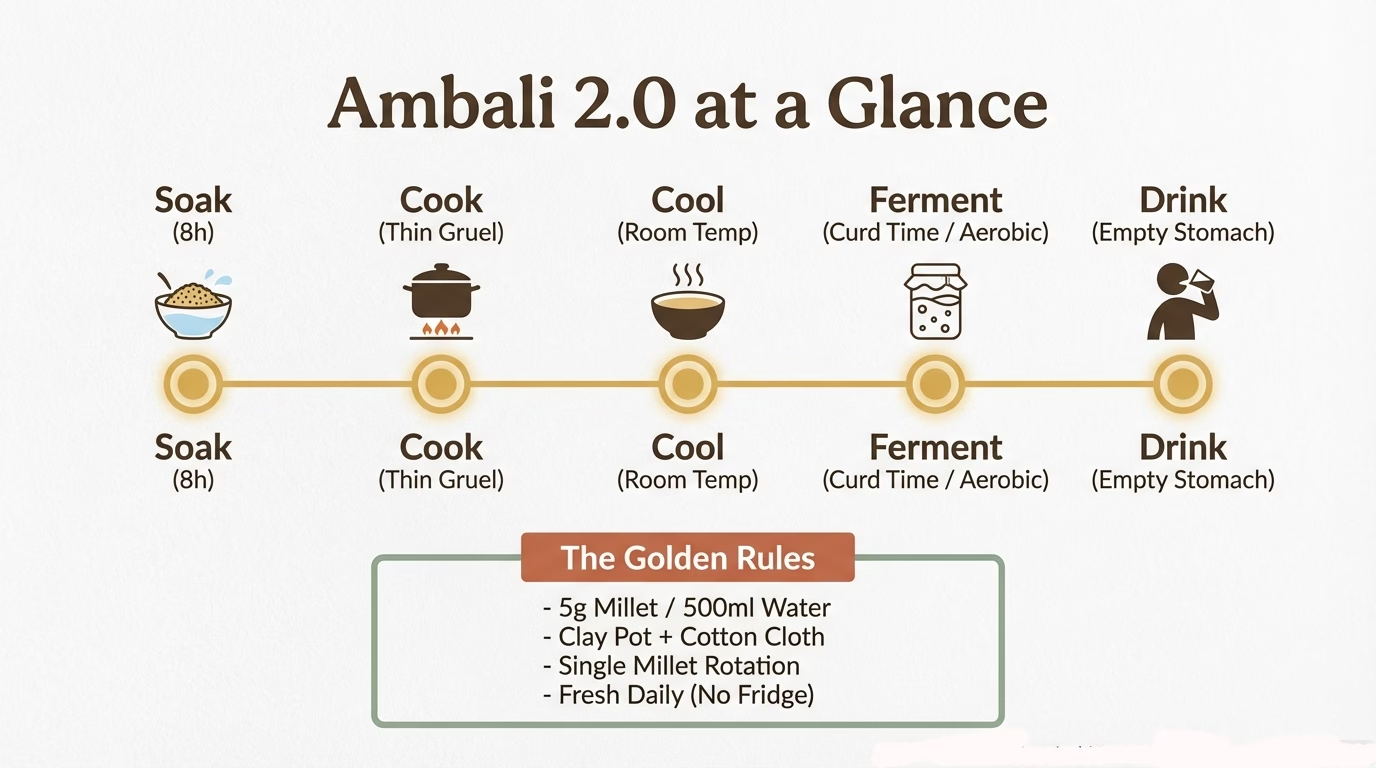
Step-by-Step Preparation (Ambali 2.0)
1. Select
-
Use single, unpolished positive millet only, Buchhi Dehusked recommended
-
❌ Avoid polished or mixed millets
2. Soak (8 hours or overnight)
-
Soak millet in a small amount of water
-
Retain this soaking water for cooking
3. Cook (Low flame)
-
Add soaking water + additional water to make 500 ml
-
Cook slowly into a thin gruel
-
Earthen pot preferred
-
❌ Avoid pressure cooking
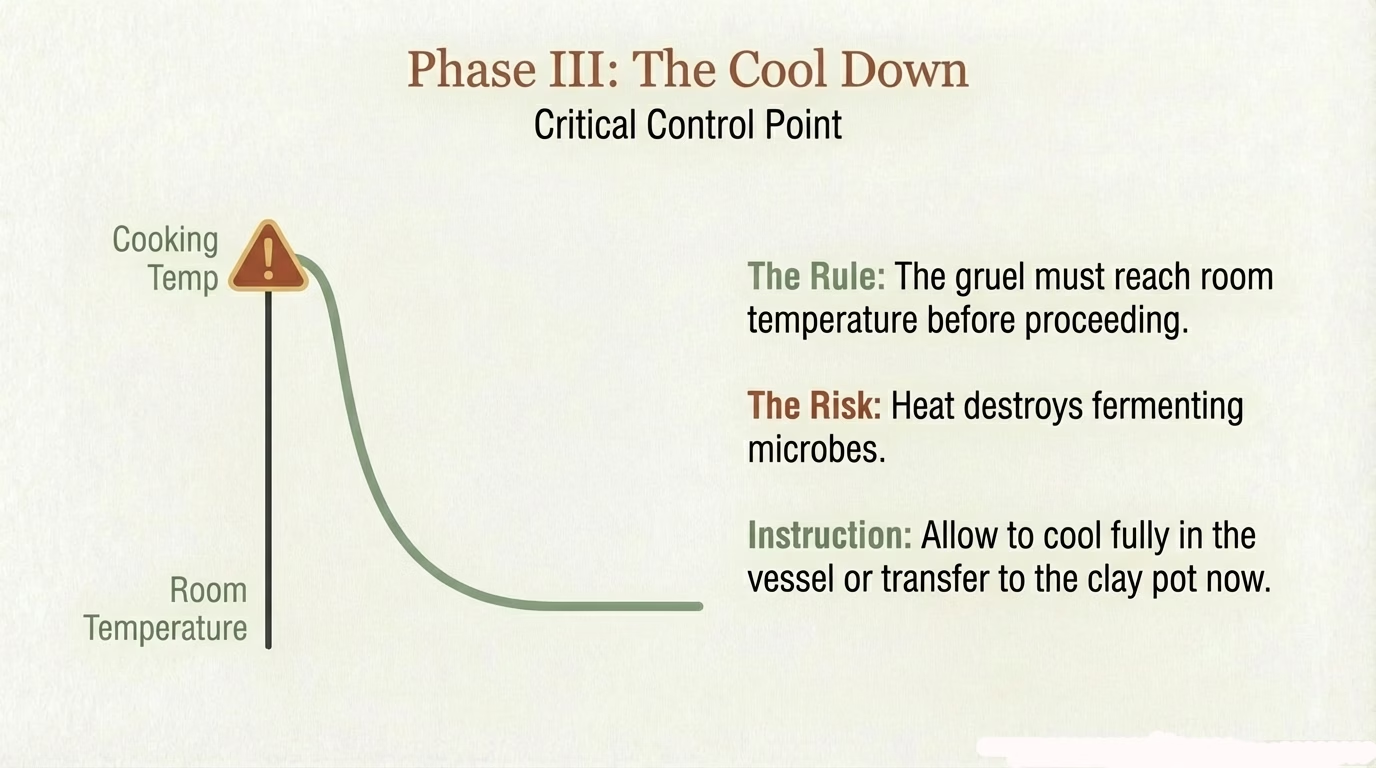
4. Cool
-
Allow to cool fully before fermentation
-
Heat destroys fermenting microbes
5. Ferment (naturally)
-
Transfer to clay or glass vessel
-
Cover with cotton or khadi cloth
-
Leave at room temperature
⏱️ Time guide
-
Warm climate: 7-8 hours
-
Cooler climate: 9–10 hours
A practical reference is the time it usually takes for milk to set into curd in your home.
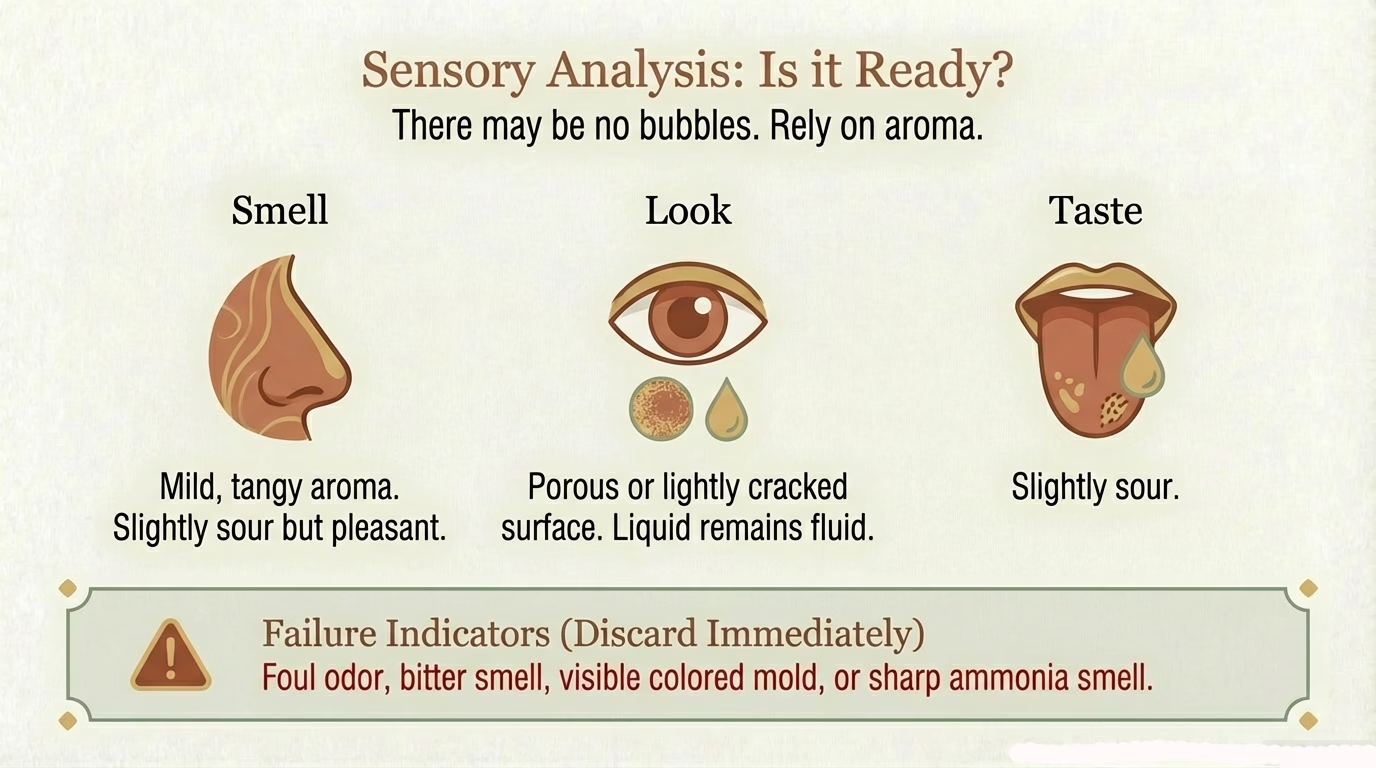
✅ Signs of readiness
-
Mild tangy aroma
-
Slightly sour taste
-
Porous or lightly cracked surface
6. Consume
-
Drink plain for maximum benefit
-
Preferably on an empty stomach
-
Avoid eating for ~30 minutes after
Optional (just before drinking, not during fermentation):
- A little palm jaggery if required (not ideal)
- salt for taste (not ideal)
❌ Never add salt, jaggery, or curd during fermentation
❌ Do not reheat after fermentation
Best Practices
-
Use clay or earthenware where possible
-
Keep vessels clean and sun-dry clay pots regularly
-
Ferment away from strong odours or contaminants
-
Prepare fresh daily
What to Avoid
-
Airtight lids or plastic wraps
-
Heating after fermentation
-
Over-fermentation (excessively sour, bitter, or moldy smell — discard)
-
Refrigeration (slows and alters microbial activity)
A Roodi Food Perspective
At Roodi Food, we view Ambali 2.0 as:
-
A traditional fermented food
-
Prepared with ecological precision
-
Designed for diversity, balance, and regular use
-
Rooted in experience, observation, and food wisdom
No medical claims are made.
Individual suitability may vary.
Closing Thought
Ambali 2.0 reflects a simple but profound idea:
Health is supported not by force or excess,
but by balance, diversity, and consistency.
To understand why microbial diversity matters for digestion and overall well-being, read our article on gut bacteria.
Gut Bacteria: The Invisible System That Shapes Digestion and Health (comming Soon)
Frequently Asked Questions (FAQs)
Why is only 5 g of millet used?
Ambali 2.0 is designed as a light, diluted fermented preparation, not a meal.
Using a very small quantity of millet keeps the consistency thin, supports gentle fermentation, and avoids overloading digestion. This approach is intended for regular, daily use, not satiety.
Can I use mixed millets instead of one millet?
No.
Ambali 2.0 follows a single-millet, cyclic rotation approach. Each positive millet has a distinct fiber structure and traditional usage. Mixing millets alters fermentation behaviour and is not recommended in this method.
Why should millets be rotated?
Dietary diversity is a core principle of traditional food systems.
Rotating millets introduces different grain fibers over time, supporting variety rather than repetition in daily food intake.
Is fermentation time fixed?
No. Fermentation is climate-dependent.
A practical guideline is to observe how long milk usually takes to set into curd in your environment and use a similar timeframe for ambali fermentation.
Signs of readiness include:
-
Mildly tangy aroma
-
Slight sourness
-
Light porous or cracked surface
Why is a clay or earthen pot recommended?
Clay vessels allow breathable, balanced fermentation and help avoid airtight stress.
They support stable fermentation conditions better than sealed containers.
Glass vessels can be used if clay is not available.
Can I refrigerate ambali?
Ambali 2.0 is best consumed fresh.
Refrigeration slows microbial activity and may alter the natural balance of fermentation. Preparing fresh daily is recommended.
Can I add curd, jaggery, or salt?
-
Do not add anything during fermentation.
-
Adding curd can cause one group of bacteria to dominate.
-
Jaggery and salt can interfere with natural fermentation dynamics.
If required, small additions may be made just before consumption, but plain ambali is preferred.
What if my ambali smells bad?
Properly fermented ambali should smell mildly sour and pleasant.
Discard if you notice:
-
Foul or bitter odour
-
Visible mold
-
Excessively sharp or unpleasant smell
Always use clean vessels and keep fermentation away from strong odours.

Disclaimer
This content is provided for food education purposes only.
Ambali 2.0 is presented as a traditional fermented food practice based on culinary and food-system understanding.
It is not intended to diagnose, treat, cure, or prevent any disease.
Individual tolerance to fermented foods may vary.
Always prepare fermented foods hygienically and discard any preparation that shows signs of spoilage.










Leave A Comment