
Bull-Driven Cold-Pressed Oils – The Food Intel
The Liquid Gold
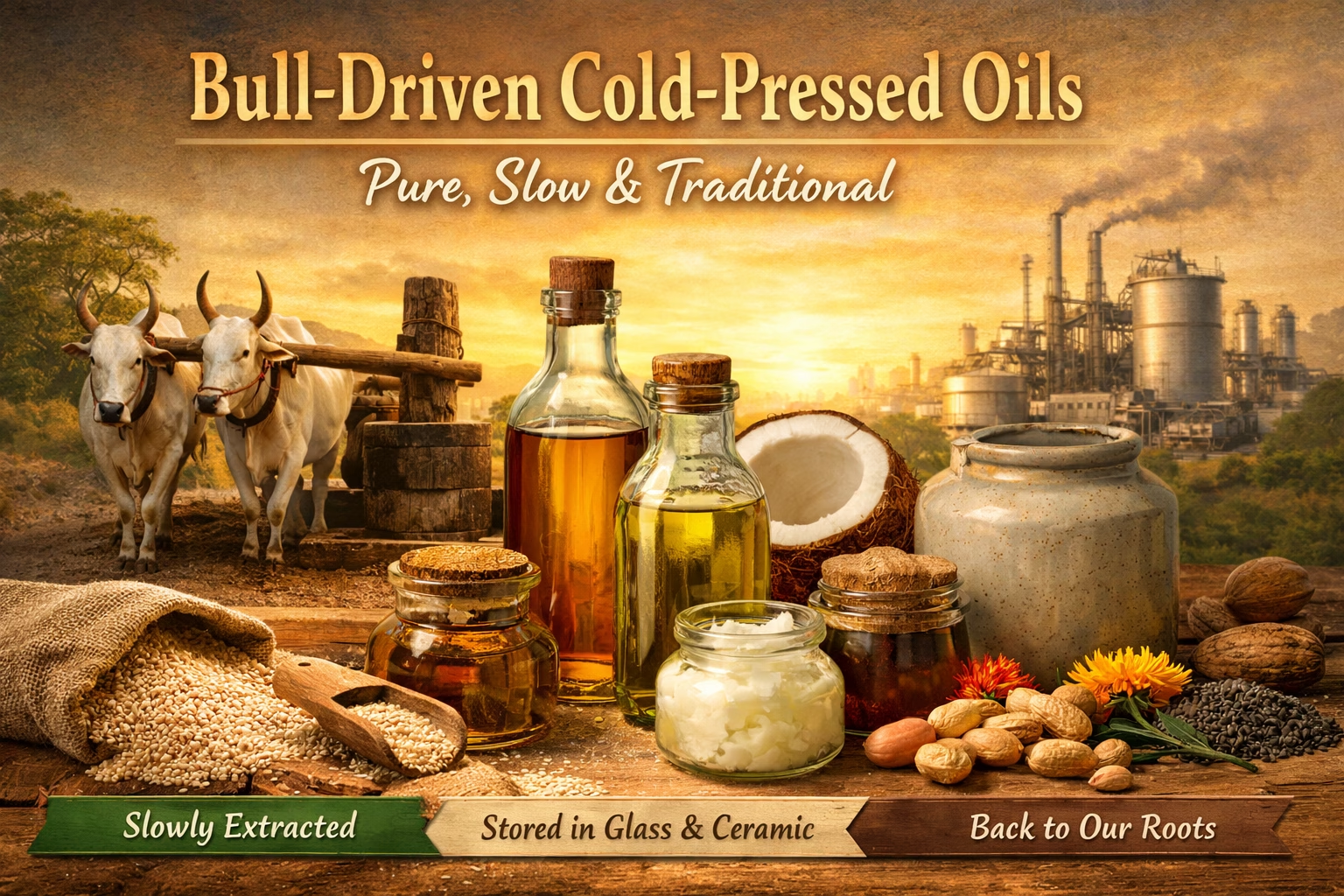
Processing, Pace, Storage, and the Forgotten Intelligence of Food
In traditional kitchens, oil was never a casual ingredient. It was chosen carefully, extracted slowly, stored consciously, and used with restraint. In contrast, modern food habits often reduce oil to a commodity—cheap, abundant, and disconnected from how it is produced or preserved.
This article explores bull-driven cold-pressed oils through four essential lenses:
-
How oil is extracted (speed matters)
-
Why bull-driven extraction is distinct
-
How oils are traditionally and responsibly used
-
Why proper storage is non-negotiable for any oil
The goal is not to promote claims, but to restore food literacy.
What Is Bull-Driven Cold-Pressed Oil?
Bull-driven cold-pressed oil is produced using a wooden ghani (ganuga), where oilseeds are crushed slowly at near-ambient temperatures. The defining characteristics are:
-
Extremely low rotational speed
-
Minimal friction
-
Negligible temperature rise
-
No chemical solvents
-
No refining, bleaching, or deodorizing
Historically, the bull was not symbolic. It served a functional role:
it naturally limited speed and pressure, ensuring the oil was extracted gently.
Why Speed Matters More Than Most People Realize
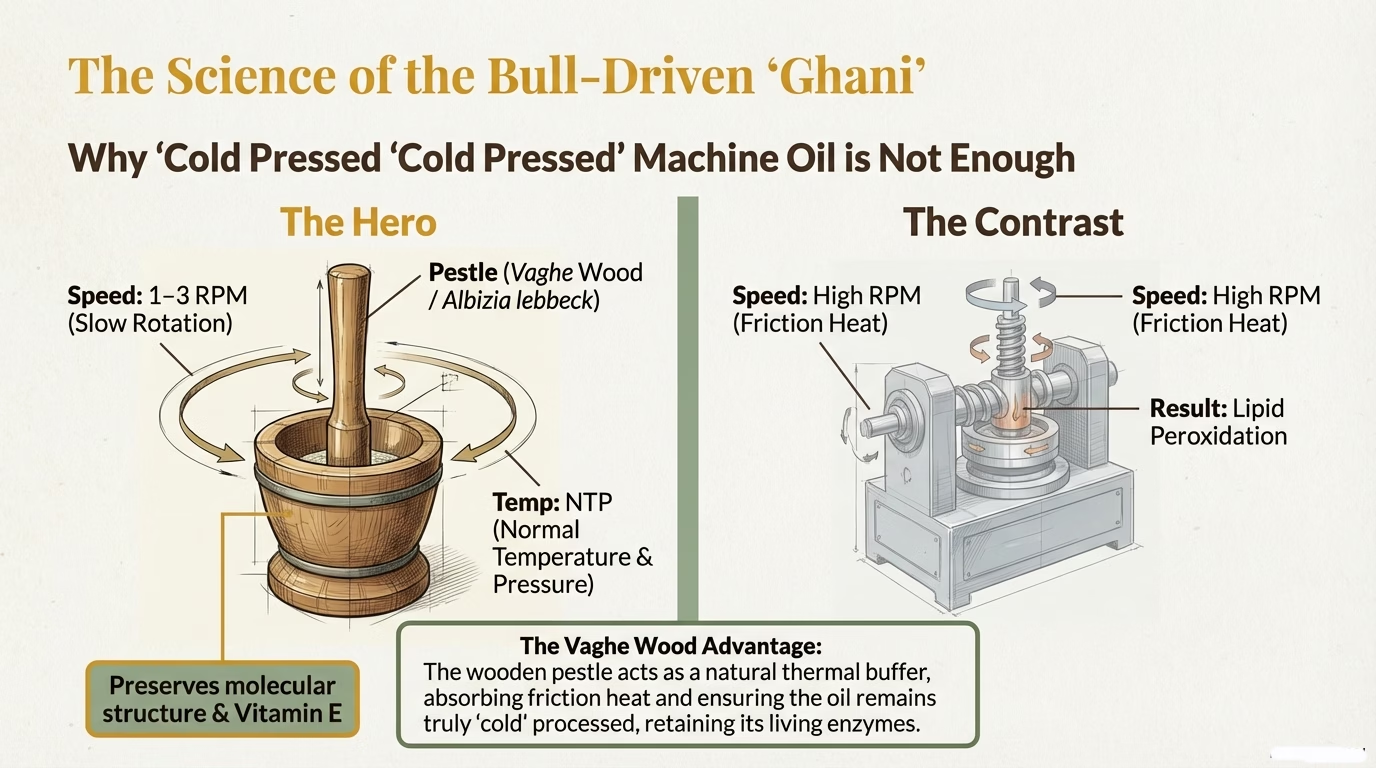
Many people assume that “machine cold-pressed” oils are equivalent to traditional oils. They are not.
The Critical Variable: RPM (Speed)
Oils are chemically sensitive substances. During extraction:
-
Pressure + friction + oxygen + heat increase reactivity
-
Even a small temperature rise, when combined with high pressure, accelerates oxidation
-
This happens even if the oil is marketed as “cold-pressed”
Bull-Driven Ghani
-
Very low RPM
-
Gradual, distributed pressure
-
Near-zero frictional heat
-
Oil remains structurally closer to the seed
Machine Cold-Press
-
Higher RPM
-
Localized pressure and friction
-
Small but meaningful heat spikes
-
More oxidative stress during extraction
From a food-chemistry perspective:
Low RPM preserves molecular stability.
High RPM stresses fats—even without chemicals.
The Practical Hierarchy of Oils (Important for Consumers)
From a processing and integrity standpoint, edible oils fall into a clear hierarchy:
1. Bull-Driven Cold-Pressed Oils (Highest Integrity)
-
Slowest extraction
-
Lowest heat
-
Minimal oxidation
-
Closest to traditional food standards
2. Machine Cold-Pressed Oils (Intermediate)
-
No solvents
-
Faster extraction
-
Some unavoidable heat and oxidation
-
Better than refined oils, but not equivalent to ghani oils
3. Refined / Industrial Oils (Lowest Integrity)
-
High heat
-
Chemical processing
-
Structural alteration
-
Long shelf life at the cost of natural character
Understanding this hierarchy helps people move beyond marketing labels and make process-aware choices.
The Ecological and Ethical Dimension of Bull-Driven Oils

Traditional ghani systems were integrated systems, not isolated technologies.
-
Bulls were exercised through purposeful work
-
Work hours were limited and rotated
-
Animals were economically valued and cared for
-
Rural livelihoods were supported
By remaining productive, bulls were far less likely to be abandoned or sent to slaughter. Oil extraction, animal welfare, and village economics were interconnected.
Choosing bull-driven oil therefore supports:
-
Slower food systems
-
Animal dignity
-
Decentralized rural economies
Common Bull-Driven Oils and Their Traditional Culinary Roles
Sesame Oil (Gingelly Oil)
-
Naturally contains Vitamin E, sesamin, sesamolin
-
Strong aroma and good heat tolerance
-
Used for cooking, pickles, seasoning, and traditional dishes
-
Widely used in both food and external oiling practices
Coconut Oil
-
Naturally contains medium-chain fatty acids
-
Structurally stable fat
-
Used for sautéing, baking, and coastal cuisines
-
Also part of personal-care traditions
Groundnut (Peanut) Oil
-
Naturally rich in monounsaturated fats
-
Neutral taste
-
Suitable for daily cooking and frying
-
One of India’s most widely used household oils
Safflower Oil (Kusuma Oil)
-
Naturally rich in linoleic acid (omega-6)
-
Light taste and aroma
-
Used for light cooking and baking
Niger Seed Oil
-
Traditionally used in specific regions
-
Rich flavor
-
Used for low-heat cooking, sweets, and chutney powders
-
Sometimes used similarly to ghee
Mustard Oil
-
Naturally contains alpha-linolenic acid (omega-3)
-
Strong aroma and pungency
-
Used for sautéing, pickles, and regional dishes
Castor Oil
-
Not a routine cooking oil
-
Historically used only in specific traditional contexts
-
Primarily for external application
Traditional Method of Direct Consumption (Contextual Practice)
In some traditional food systems, oils are also consumed directly in very small quantities, within a structured routine.
Dr. Khadar Valli, through the Siri Jeevana approach, has articulated a structured method for such consumption using bull-driven cold-pressed oils, emphasizing timing, quantity, and food context.
A commonly described method includes:
-
2–3 teaspoons of oil on an empty stomach
-
Sitting calmly in padmāsana or a comfortable seated posture
-
Followed by a 30-minute gap before other foods or drinks
This practice is traditionally described as allowing the oil to interact with digestion without interference.
It is not universal, not compulsory, and not suitable for everyone.
Omega-3, Omega-6, and the Principle of Balance
Cold-pressed oils naturally contain varying proportions of essential fatty acids such as omega-3 and omega-6.
Traditional systems did not isolate nutrients by name. Instead, they emphasized:
-
Rotation of oils
-
Seasonal use
-
Moderation
This ensured dietary fat diversity, a principle that aligns well with modern nutritional understanding.
Storage Is Not Tradition — It Is Chemistry (Applies to All Oils)
This point is critical:
Any edible oil—traditional or modern—should be stored only in glass or porcelain.
This is not a cultural preference. It is material science.
Why Oils Must Not Be Stored in Plastic
-
Oils are lipid solvents
-
Over time, oils can extract unwanted compounds from plastic
-
Heat, light, and storage duration accelerate this interaction
-
Unrefined oils are especially sensitive
Plastic storage compromises oil quality regardless of how the oil was extracted.
Best Storage Materials for All Edible Oils
1. Glass (Strongly Preferred)
-
Chemically inert
-
Non-reactive
-
Easy to clean
Amber or dark-colored glass is ideal, because:
-
Light accelerates oxidation
-
Amber glass blocks harmful wavelengths
-
Preserves aroma, taste, and stability
2. Porcelain / Ceramic
-
Traditionally and scientifically stable
-
Excellent for kitchen storage
3. Stainless Steel (Acceptable)
-
Food-grade only
-
Better for bulk or short-term storage
Clear Guideline
Oil prefers darkness, coolness, stillness, and inert containers.
Learning Directly From the Source
For deeper understanding, detailed explanations are available through talks by Dr. Khadar Valli and Dr. Sarala.
Suggested video topics to explore (Highly Recommended Wisdom once got, Stays for life) :
-
All That You Need to Know About COOKING OILS | Dr. Sarala with Dr. Khadar
-
Top 5 FAQs by People Beginning With Siri Jeevan Lifestyle (includes oils)
- These talks provide context that written articles cannot fully capture.
A Note on Food, Tradition, and Regulation
Many traditional food systems attribute deeper significance to ingredients such as cold-pressed oils. However, as per FSSAI guidelines, public food education content must remain non-medical in nature.
Accordingly, this article discusses only processing methods, traditional usage, and general nutritional characteristics, without claims related to disease prevention, treatment, or cure.
Final Thought
Oil choice is not about fear or perfection.
It is about awareness of pace, process, and preservation.
When food is extracted slowly, stored correctly, and used thoughtfully, it naturally aligns better with the body and the world it comes from.
Frequently Asked Questions (FAQ)
1. Are bull-driven cold-pressed oils the same as machine cold-pressed oils?
No. While both avoid chemical solvents, they differ significantly in extraction speed and pressure.
Bull-driven oil extraction happens at very low rotational speeds, resulting in minimal friction and heat generation. Machine cold-pressing operates at higher speeds and pressures, which can introduce more heat and oxidative stress during extraction.
For this reason, bull-driven oils are traditionally considered to have higher processing integrity.
2. Why does extraction speed (RPM) matter in oil quality?
Oils are sensitive to heat, pressure, oxygen, and friction, especially during extraction.
Even small temperature increases, when combined with high pressure and oxygen exposure, can increase chemical reactivity in fats.
Lower extraction speeds help preserve the oil’s natural structure more effectively.
3. Is refined oil completely unsafe?
This article does not make safety or medical claims.
From a food-processing perspective, refined oils undergo extensive heat and chemical treatment, which significantly alters their natural structure.
Traditional food systems generally preferred minimally processed oils for everyday use.
4. Can bull-driven oils be used for cooking?
Yes. Bull-driven cold-pressed oils have been used traditionally for everyday cooking, including sautéing, seasoning, and regional preparations.
The choice of oil and cooking method traditionally depended on cuisine, season, and taste.
5. Is it necessary to rotate different oils?
Traditional kitchens often rotated oils rather than relying on a single oil year-round.
This was a food diversity practice, not a medical protocol. Rotation helps avoid monotony and supports dietary variety.
6. Can oils be consumed directly on an empty stomach?
Some traditional food systems describe direct oil consumption in very small quantities as part of structured routines.
This practice is not compulsory, and may not be suitable for everyone. Individual tolerance and guidance are important.
This article presents the practice only as a traditional context, not a recommendation . Better refer to public talks and educational material by Dr. Khadar Valli and Dr. Sarala, who discuss traditional food systems, oil processing, and lifestyle context in detail.
7. Are omega-3 and omega-6 fats present in these oils?
Yes. Different cold-pressed oils naturally contain varying proportions of omega-3 and omega-6 fatty acids, which are essential fats obtained through food.
Traditional systems emphasized balance and rotation rather than isolating individual nutrients.
8. Why should oils be stored only in glass or porcelain containers?
Oils are lipid-based substances and can interact with plastic over time.
Glass and porcelain are chemically inert, making them more suitable for long-term oil storage.
Amber-colored glass is especially useful because it reduces light exposure, which can accelerate oxidation.
9. Does oil quality change if stored improperly?
Yes. Exposure to light, heat, air, and reactive containers can gradually alter an oil’s aroma, taste, and stability.
Proper storage helps preserve oil quality regardless of whether the oil is bull-driven, machine-pressed, or refined.
10. Are these oils meant to cure or prevent diseases?
This article does not make claims related to disease prevention, treatment, or cure, in line with FSSAI guidelines.
The content is intended for food education and awareness only.
11. Where can I learn more in depth about these topics?
For deeper exploration, many readers refer to public talks and educational material by Dr. Khadar Valli and Dr. Sarala, who discuss traditional food systems, oil processing, and lifestyle context in detail.
12. Who should be cautious with oil intake?
Individual digestion, tolerance, and dietary needs vary.
People with specific health concerns should always seek personalized guidance from qualified professionals before making significant dietary changes.
Disclaimer
This content is provided for general food education and awareness purposes only. It discusses traditional food practices, processing methods, and general nutritional characteristics of edible oils.
In accordance with FSSAI regulations, this article does not make any claims related to the prevention, management, or treatment of diseases, nor does it substitute medical advice or clinical care.
Individual dietary needs, tolerances, and health conditions vary. Readers are advised to seek guidance from qualified health professionals for personalized medical or nutritional advice.







Leave A Comment