
Cooking in Mud Pots: Tradition, Science, and Timeless Benefits
The Power of Slow & Steady
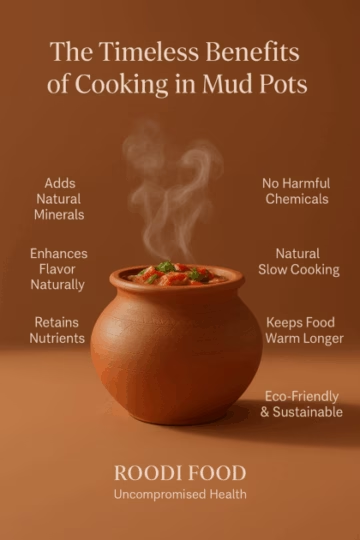
Cooking in mud pots is an age-old tradition in India and many parts of the world. From the Indian handi to the Moroccan tagine and Japanese donabe, earthenware has always had a place in the kitchen. Modern research and traditional wisdom now agree: clay pots bring unique health, flavor, and environmental benefits.
🌱 Health & Nutrition Benefits
- Gentle on Digestion – Clay is naturally alkaline and can help balance the acidity of food.
- Possible Mineral Enrichment – Natural clay may release trace minerals like calcium, magnesium, and iron into food, depending on its composition.
- Nutrient Retention – Clay promotes slow cooking at low heat, which helps preserve sensitive nutrients and flavors.
- Chemical-Free Cooking – Unlike some metal or non-stick cookware, natural unglazed mud pots don’t leach harmful chemicals.
🍲 Culinary Advantages
- Enhanced Flavor & Aroma – Porous walls allow slow evaporation and recirculation of steam, producing tender, aromatic dishes.
- Natural Slow Cooking – Clay distributes heat evenly and gently, ideal for curries, millet rice, beans, and stews.
- Less Oil, More Taste – The natural cooking environment means you can often use less oil while keeping dishes moist.
- Keeps Food Warm Longer – Once heated, mud pots retain warmth for extended periods.
🕉️ Ancient Indian Wisdom
Ayurvedic texts such as the Charaka Samhita and Sushruta Samhita mention the use of clay vessels (mrid-patra) for cooking and storing water. Ayurveda values clay for its cooling, balancing qualities and its ability to preserve the natural taste of food.
Even today, matkas (clay water pots) are used across India to cool water naturally through evaporation—an eco-friendly method that needs no electricity.
🌍 Global Traditions
- Morocco – The tagine’s cone-shaped lid condenses steam and returns it to the dish, creating rich stews.
- Japan – The donabe pot is prized for hot pots, soups, and rice, thanks to its gentle heat distribution.
- Spain & Latin America – Cazuelas are used for oven-to-table stews and rice dishes.
Clay pots have been central to diverse cuisines for their ability to nurture both flavor and community meals.
👨⚕️ Dr. Khadar Vali’s Recommendations
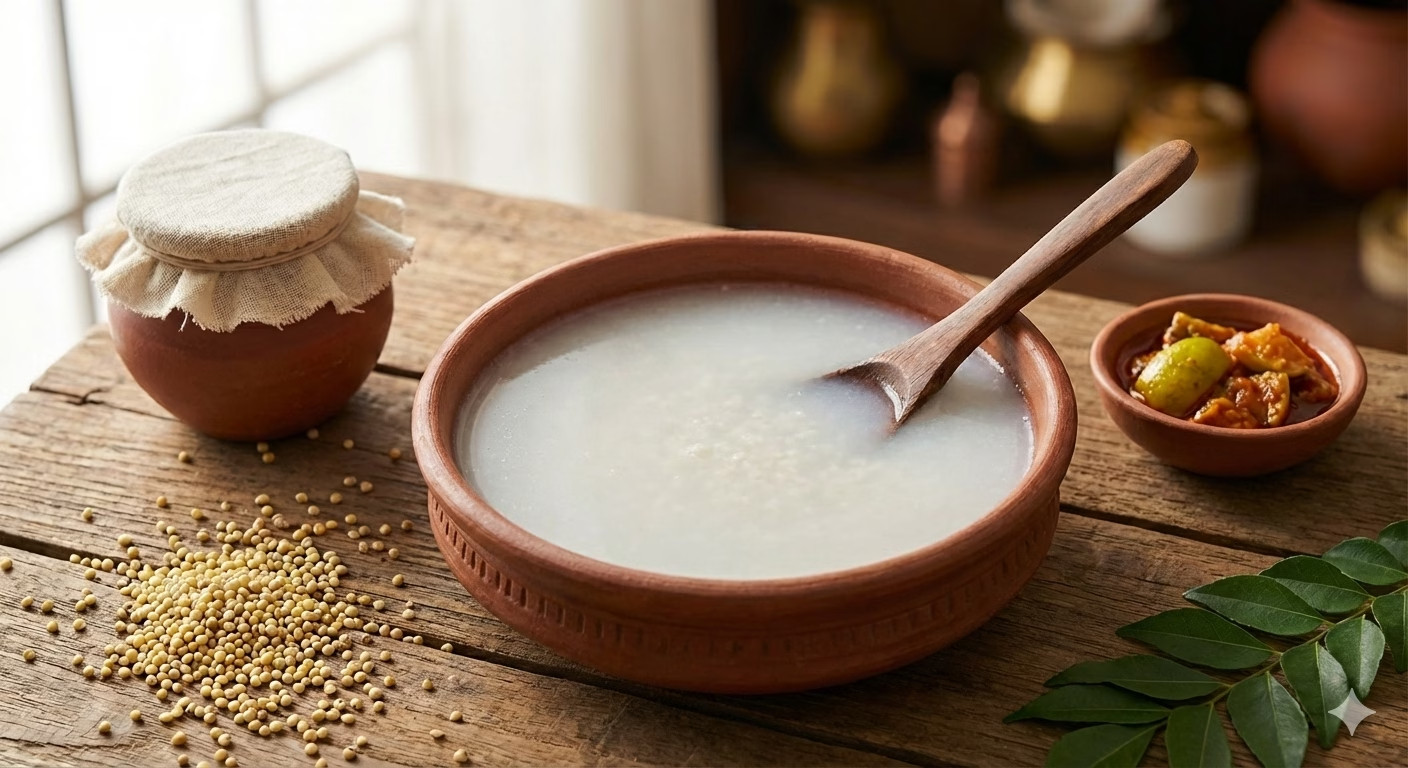
Dr. Khadar Vali, known for promoting Positive Millets (Siridhanya), often demonstrates millet cooking in clay pots. He recommends using mud pots for millet rice, curries, and ambali (a fermented millet drink). According to his protocols, clay helps preserve the natural character of millets while enhancing digestion and nutrition. While avoiding anaerobic fermentation etc.
✅ Safe Use & Care
- Choose food-safe, lead-free clay pots – Avoid decorative ware or glazed pots of unknown origin.
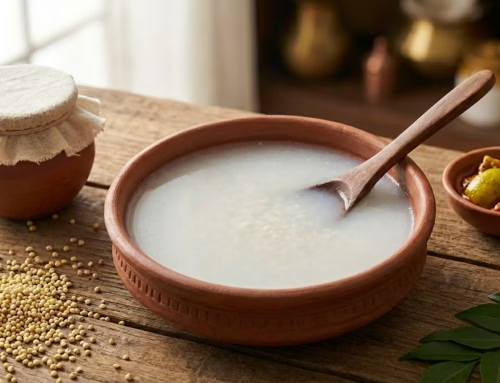
- Season before first use – Soak in water, then simmer water or rice porridge slowly to seal pores.
- Cook on low to medium heat – Avoid sudden high flames or moving hot pots into cold water.
- Clean gently – Wash with water and a mild scrub; avoid harsh detergents.
- Dry completely before storing to prevent cracks or mold.
🌏 Eco-Friendly Choice
Clay pots are biodegradable, energy-efficient, and sustainable. They encourage mindful, slow cooking—aligned with both ancient wisdom and modern ecological needs.
✨ Conclusion
Cooking in mud pots is not just nostalgia—it’s a living tradition that blends health, flavor, and sustainability. Whether it’s millet porridge, a rustic curry, or simply cool matka water, mud pots remind us of the deep bond between food, nature, and society.
At Roodi Food, we believe:
Food Builds Society. Get Health through Right Food.







Leave A Comment