
🌱 Microgreens: Tiny Plants, Mighty Nutrition
Tiny Tender Super Food
Introduction
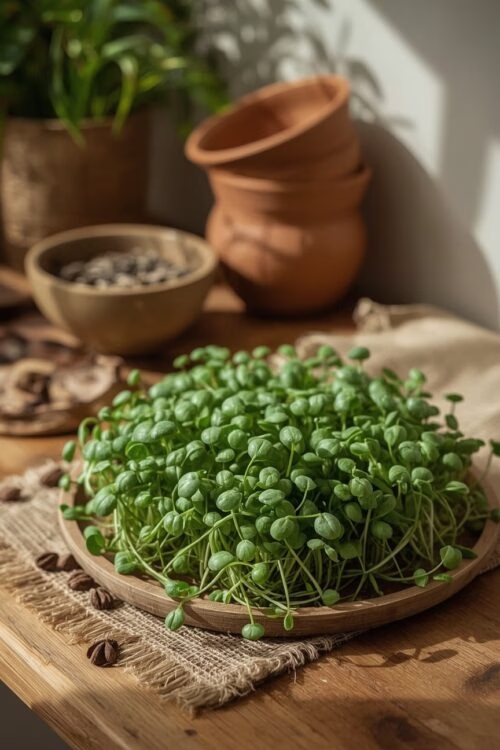
In today’s fast-paced lifestyle, people are looking for foods that are light, wholesome, and close to nature. One such choice is microgreens — the tender young seedlings of vegetables, herbs, and cereals. Harvested just 7–21 days after germination, microgreens are small in size but dense in natural nutrients and fresh flavor.
At Roodi Food, we believe in food that builds society. Microgreens are a wonderful example of how simple, natural foods can add vitality to daily life.
What Are Microgreens?
Microgreens are young plants harvested after the first true leaves appear. They are different from sprouts (which are eaten with seeds and roots) and also different from full-grown vegetables.
Popular microgreens include:
-
🌿 Broccoli, Kale, Cabbage, Radish
-
🌱 Pea shoots, Fenugreek, Mustard
-
🌸 Basil, Coriander, Parsley
-
🌾 Amaranth, Quinoa, Wheatgrass
Each variety has its own flavor — spicy, earthy, tangy, or mildly sweet.
Nutritional Profile
Microgreens are known for being rich in natural vitamins, minerals, and plant compounds. Research has shown that, per gram, some microgreens may have higher concentrations of nutrients compared to mature plants.
They provide:
-
Vitamins – such as A, C, E, and K
-
Minerals – including Iron, Magnesium, Potassium, Calcium, Zinc
-
Phytonutrients – plant-based compounds like flavonoids and carotenoids
-
Proteins & Fiber – supporting energy and digestion
For example, red cabbage microgreens may contain higher levels of vitamin C compared to mature cabbage, while broccoli microgreens are a natural source of beneficial plant compounds.
General Health Benefits of Including Microgreens
Regular inclusion of microgreens as part of a balanced diet may:
-
Support natural immunity through vitamins and antioxidants.
-
Contribute to heart-friendly nutrition with fiber and plant compounds.
-
Provide digestive support through natural fibers.
-
Add variety and freshness to meals, encouraging healthier eating.
-
Promote eye and skin wellness due to carotenoids like lutein and zeaxanthin.
(Note: Microgreens are not medicines or cures. They should be consumed as part of a balanced diet and healthy lifestyle.)
How to Enjoy Microgreens
Microgreens are versatile and can be enjoyed in many ways:
-
Add them to salads, wraps, sandwiches, or soups for freshness.
-
Blend into smoothies or juices.
-
Use as a garnish to enhance taste and presentation.
-
Dry and use as powder for natural seasoning.
Growing Microgreens at Home
Microgreens can be grown easily in small spaces, even on a kitchen counter or balcony.
Steps:
-
Choose clean, untreated seeds.
-
Spread seeds on soil, cocopeat, or hydroponic mats in a shallow tray.
-
Keep covered until germination.
-
Once sprouts appear, expose them to natural light.
-
Harvest in 7–21 days using clean scissors.
They require little water, grow quickly, and are a sustainable way to add fresh greens to your meals.
Precautions
-
Always use safe, chemical-free seeds.
-
Wash gently before consumption.
-
Store in the refrigerator and consume within a few days.
-
People sensitive to oxalates should consume varieties like beetroot and spinach microgreens in moderation.
Ancient Wisdom & Modern Understanding
The idea of eating tender plant shoots is not new. Ayurveda and traditional cuisines have long included young greens like fenugreek and mustard shoots. Modern research now confirms that these early plant stages are naturally rich in beneficial compounds.
Conclusion
Microgreens are a natural, simple, and flavorful way to enrich daily meals. They combine traditional wisdom with modern nutrition knowledge, offering freshness, variety, and vitality.
At Roodi Food, we encourage you to explore these tiny plants with mighty nutrition and experience how right food supports right living.









Leave A Comment