
What Is Bok Choy?
Learn Once Benefit for Life
Unlike regular cabbage, Bok Choy grows in open clusters, offering both crunchy stems and delicate leaves in one vegetable.
Watch
Read
How to Use & Cook
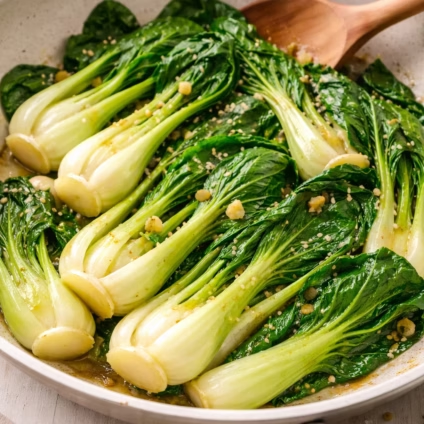
Wash thoroughly, especially at the base. Chop stalks and leaves separately. Heat oil, add garlic or cumin (optional), cook stalks first until slightly tender. Add leaves and sauté briefly. Avoid overcooking to maintain crispness.
Usage
Can be included as part of regular vegetable rotation.
Cooking Videos
Important Usage Notes
About this Product
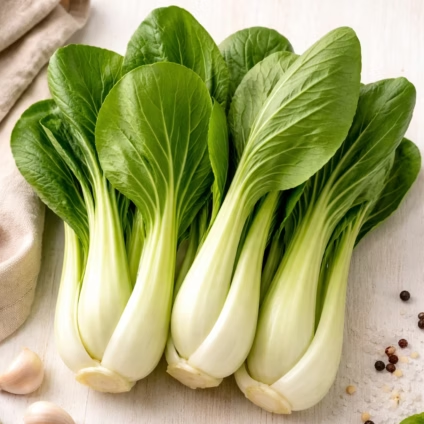
Bok Choy is a leafy green vegetable belonging to the cabbage family. It is valued for its crisp white stems and tender green leaves, offering both texture and mild flavour in one plant.
Its light taste makes it adaptable to many cuisines. Whether lightly sautéed, steamed, or added to soups, Bok Choy integrates easily into daily cooking without overpowering other ingredients.
Traditional Context
In modern kitchens, Bok Choy suits fast-paced lifestyles. It cooks quickly, pairs well with lentils, noodles, rice dishes, and millets, and supports lighter meal planning.
Nutritional Nature
Bok Choy is naturally low in calories and contains dietary fibre. It also provides vitamin C, vitamin K, and folate as part of a balanced diet.
FAQs
Please note that the views and information presented on external websites are those of the respective authors and do not necessarily reflect the views of Roodi Food.
Detailed Description
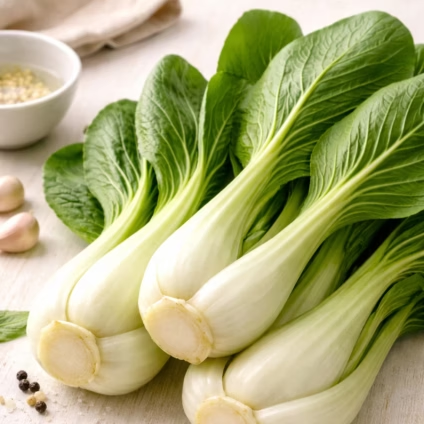
Bok choy is a leafy green vegetable with crisp white stalks and smooth dark-green leaves. It belongs to the same plant family as cabbage and mustard greens and is widely used in East Asian cooking.
🌱 What It Is
-
Botanical family: Brassica (cabbage family)
-
Texture: Juicy, crunchy stems with tender leaves
-
Flavour: Mild, slightly sweet, very light mustard note
-
Also called: Pak choi / Chinese cabbage (non-heading type)
🥢 How It’s Commonly Used
-
Quick stir-fries with garlic and sesame oil
-
Light soups and broths
-
Steamed or sautéed as a side dish
-
Added to noodles, fried rice, or hot pots
-
Can even be grilled or roasted whole (especially baby bok choy)
It cooks very quickly — usually 2–4 minutes.
🧑🍳 Simple Cooking Method
-
Separate leaves and rinse thoroughly (soil often collects at the base).
-
Slice stems and leaves separately (stems take slightly longer).
-
Heat oil, sauté garlic (optional).
-
Add stems first (1–2 minutes), then leaves (1 minute).
-
Add a pinch of salt and finish with a few drops of sesame oil or lemon.
Avoid overcooking — it should remain slightly crisp.
🥗 Nutritional Nature (General Food Properties)
-
Naturally low in calories
-
Contains dietary fiber
-
Provides vitamin C, vitamin K, and folate
-
Contains plant compounds typical of cruciferous vegetables
Like most leafy greens, it is best consumed fresh for optimal taste and texture.
🛒 How to Choose
-
Bright green leaves
-
Firm, unblemished white stalks
-
No yellowing or sliminess
-
Smaller heads are usually more tender
Store refrigerated and use within 3–4 days for best freshness.

