


Beyond Cold-Pressed: The Bull-Driven Difference
Closer look on Oils
Traditional oils were never just ingredients; they were the foundation of well-being. By returning to bull-driven extraction, we preserve the life-force of the seed that modern high-speed machinery often destro
Watch
Read


How to Use & Cook
Raw Intake: Take 1–2 teaspoons in the morning on an empty stomach, while sitting in a relaxed, upright posture. Wait 30 minutes before consuming anything else.
Culinary Use: Ideal for low-to-medium heat cooking, seasoning dals, or making traditional pickles.
Rotation: Recommended rotating between different oils (Groundnut, Sesame, Coconut, etc.) every week to ensure a diverse intake of natural fats.
Neutralising Free Radicals: When heating oil for tempering (tadka) or deep-frying, always add a pinch of turmeric or mustard seeds. These ingredients possess antioxidant properties that help scavenge free radicals generated during the heating process. • Deep-Frying: For items like Poori, Samosas, or Pakodas, coconut and safflower oils are the best choices due to their stability at high temperatures. • General Cooking: Peanut (groundnut) oil is recommended for everyday dishes such as dals, sambars, and regular curries. • Pickles and Curries: Sesame oil is ideal for preparing pickles and spicy curries as it enhances flavour and acts as a natural preservative. • Sweets: Niger seed oil has a unique aroma and is traditionally used for preparing specific sweet dishes and Pulihora. • Reheating and Reuse: You must never reuse oil that has already been heated for deep-frying, as it becomes highly oxidised and toxic. If you need to reheat food, use a double boiling method or steam the food for a few minutes rather than using a microwave
Usage
Daily: For consistent nourishment, incorporate into your morning routine or daily meals.
Cooking Videos
Important Usage Notes
About this Product
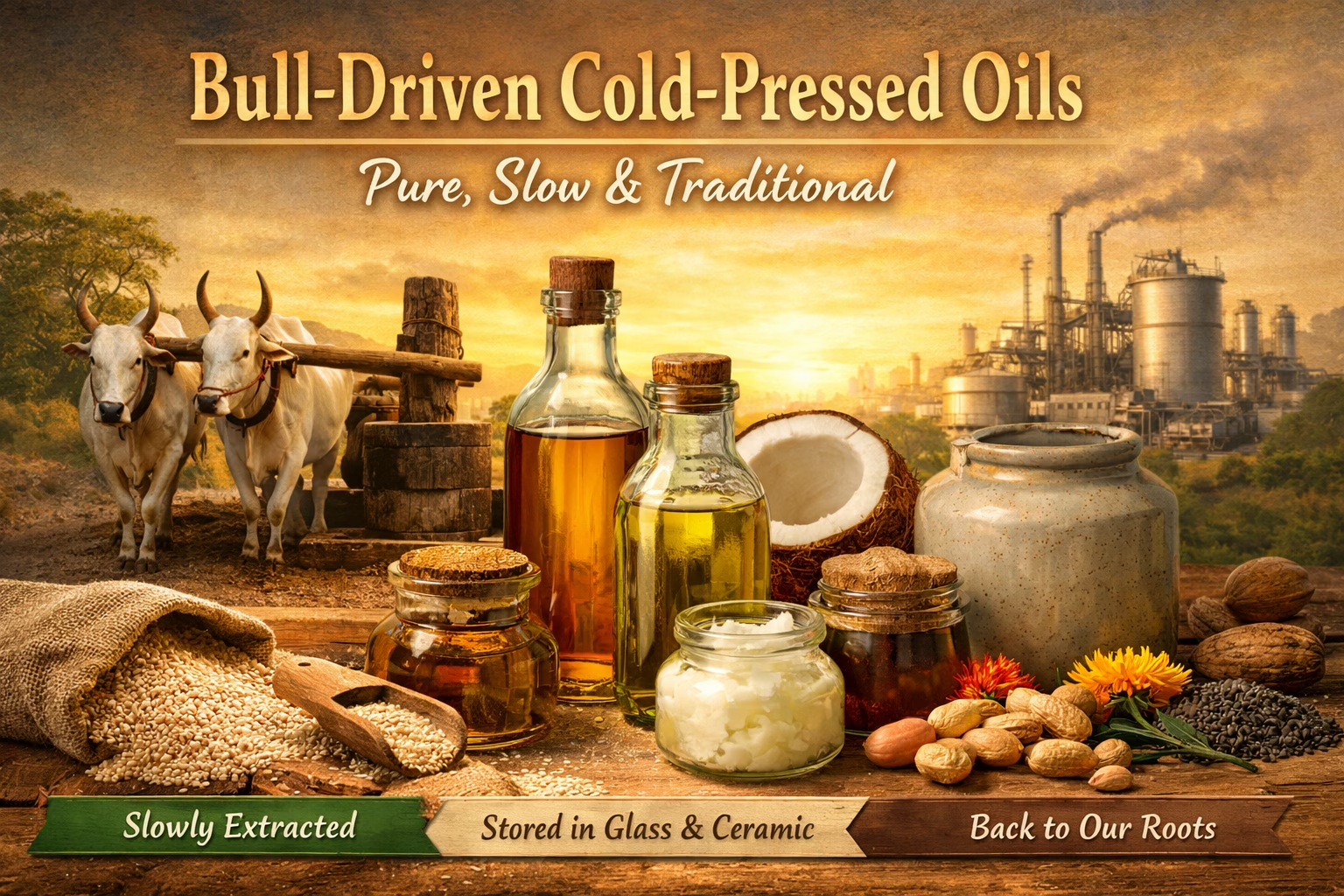
Roodi Food Bull-Driven Oils are produced using the traditional wooden ghani method, where oilseeds are pressed slowly using animal-driven rotation. This naturally limits speed and heat, helping preserve the oil’s original character.
The focus is not on yield or volume, but on process integrity. These oils reflect how edible oils were historically prepared in Indian households—carefully, locally, and without chemical intervention.
Traditional Context
Modern lifestyle advocates, including Dr. Khadar Valli, emphasize the importance of “structural fats” found in bull-driven oils. The practice of oil rotation and raw consumption is rooted in the understanding that different seeds provide different benefits. Our oils are designed for those following a holistic food path, offering a practical way to reintroduce diverse, unrefined fats into a daily wellness routine.
Nutritional Nature
These oils are a natural source of monounsaturated and polyunsaturated fats, including Omega-3 and Omega-6. Because they are unprocessed, they retain their native vitamin E content and plant-based sterols, which are often stripped away during industrial refining.
FAQs
Please note that the views and information presented on external websites are those of the respective authors and do not necessarily reflect the views of Roodi Food.
Detailed Description
Roodi Food – Pure Uncompromised Bull-Driven Oils
Slowly Crafted Goodness, Rooted in Tradition
Discover the authentic taste and nourishment of Roodi Food’s Bull-Driven Oils, extracted with care using the age-old Ghana/Katte Ganuga wooden press. This slow, gentle, bull-driven method preserves the natural flavor, aroma, and Exotic Nutrients of each seed, nut, or kernel — offering you oils that are raw, unrefined, and deeply respectful of both nature and tradition.
At Roodi Food, we believe that food builds society, and by choosing pure, chemical-free oils, you are embracing health with honesty, balance, and timeless wisdom.
Why Choose Roodi Food’s UNCOMPROMISED Bull-Driven Oils?
How uncompromised?
- Authentically Extracted – Pressed in a bull-driven wooden Ghana/Katte Ganuga, using slow pressure that minimizes heat and preserves the integrity of the oil.
-
Raw & Unrefined – Free from industrial refining, harsh chemicals, and artificial additives.
- Stored in Dark Amber Glass Bottles – To protect purity and freshness:
- Prevents chemical leaching (unlike plastic, metal or reactive containers)
- Slows down oxidation, helping the oil last longer.
- Shields from light-induced oxidation, keeping the nutrients intact.
- Naturally Pure – Made from carefully selected seeds and nuts, respecting nature’s original goodness.
-
Slow-Pressed for Nutrition – Gentle extraction retains natural taste, aroma, and potential health benefits.
-
Beyond Industrial Methods – No high-heat, machine-processed refining that strips oils of their natural value.
✨ Taste it once, and you’ll know the difference.
That’s the honesty of bull-driven oils — pure, slow, and alive with nature’s goodness.
The Most Nutritious Way to Use Bull-Driven Oils
Many traditions regard slow-pressed, natural oils as more than just cooking mediums — they are considered supportive for daily well-being when taken in the right way.
As recommended by Dr. Khadar Vali (based on traditional practices):
-
Consume 1–2 teaspoons daily on an empty stomach preferably in morning.
-
Read once Benefit for a lifetime https://roodifood.com/bull-driven-cold-pressed-oils-food-intel/
Check this article Pure oils ghee brain health-how-the-right-fats-shape-a-healthy-society
🧘♂️ How to Take It
-
Sit in lotus or any relaxed upright posture.
-
Take the 1-2 teaspoons oil plain (do not mix with other oils).
-
Wait ~30 minutes before eating.
-
Rotate oils weekly (Groundnut → Sesame → Coconut → Safflower → Mustard/Niger → etc.).
🔥 Cooking Use
Bull-driven oils can also be used for cooking, tempering (tadka), or enhancing dishes — but for maximum nutritional benefits, raw intake is preferred.
Available Variants
Each oil comes with its own distinct character, flavor, and traditional uses:
-
🌻 Sunflower Oil – Light, mild, and easy to digest.
-
🌼 Safflower Oil – Subtle, wholesome, and traditionally valued.
-
Safflower oil, when bull-pressed, retains its natural antioxidants and mild flavour, making it suitable for deep-frying and everyday cooking. Traditionally, it has been used in Indian kitchens for balancing meals and preparing plant-based milk. It is also considered beneficial for growing children when included as part of a varied diet. Its light texture makes it suitable for cooking vegetables, curries, and savouries.
-
-
🥜 Groundnut (Peanut) Oil – Rich, nutty, and earthy in flavor.
- Groundnut oil is a popular choice for daily Indian cooking. It is suitable for curries, dals, and deep-frying, after which it can also be reused for tempering or flatbread preparation. The oil naturally contains resveratrol, a plant compound recognised for its antioxidant properties. Groundnut-based foods such as laddus and plant-based milk have traditionally been given to children to support balanced nutrition.
-
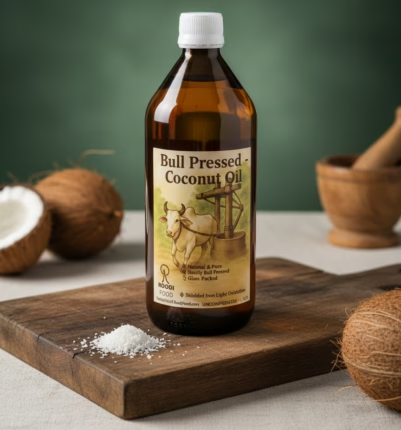
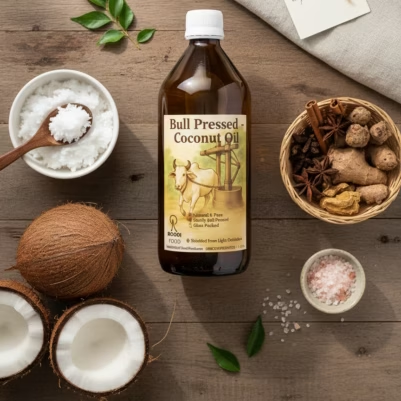
🥥 Coconut Oil – Aromatic, versatile, and nourishing for food and body.
-
Traditionally extracted coconut oil is valued for its stability and versatility. It is considered one of the best oils for deep-frying as it retains quality even after reuse. When used in cooking, it supports healthy growth and development in children, providing healthy fats and micronutrients. Coconut milk, prepared from the oil-rich flesh, is a time-honoured alternative to animal milk. Applying coconut oil to the skin before sun exposure is also a traditional practice believed to support natural wellbeing.
-
-
🌱 Sesame (Gingelly) Oil – Distinct nutty aroma, often used in cooking and massage traditions.
- Sesame oil has a rich, nutty flavour and is widely used in pickles, chutneys, and traditional curries. It is naturally high in calcium when sesame seeds are used for plant-based milk, making it a time-honoured food for bone strength. Sesame oil is also traditionally applied for body massage and joint comfort, and sesame laddus are recommended as a wholesome snack for all ages. Black sesame seeds, though slightly bitter, are also used for plant-based milk and considered highly nutritious.
-
🌾 Mustard Oil – Bold, pungent, and widely used in traditional Indian kitchens.
- Mustard oil has a sharp flavour and is a traditional favourite in North Indian cooking. It is widely used for making pickles that stay fresh for long durations. Adding mustard seeds during tempering is a common practice that enhances flavour and aroma. It is a regionally preferred oil that adds depth and pungency to many savoury preparations.
-
🌿 Flaxseed Oil – Naturally rich in plant goodness with a delicate taste.
-
🌑 Niger Seed Oil – Earthy, light, and a part of indigenous food practices.
- Niger seed oil has a distinct flavour and is used in traditional dishes like Pulihora and certain sweets. It is nutrient-rich and was historically offered in temples in preparations such as Pongal and laddus. With its unique aroma, it continues to be valued as a wholesome culinary oil in many Indian households. Applying the oil to the skin before sunlight is also a long-standing practice in some traditions.
-
🌱 Castor Oil – Traditionally used in limited culinary and wellness contexts.
Ways to Use Roodi Food Bull-Driven Oils
-
Daily Nourishment: Many follow the practice of taking 1–2 teaspoons of natural oils daily.
-
Cooking: Use as a cooking medium, for tempering (tadka/taalimpu), or enhancing flavors.
-
Rotation in Diet: Traditional recommendations suggest rotating oils weekly for balance.
-
Plant-Based Alternatives: Some oilseeds are used to prepare natural milk, curd, or buttermilk.
-
Traditional Uses: Oils like coconut and sesame are also applied for skin, hair, or massage (as per age-old practices). Exposing oil applied skin to sun is known to be very beneficial.
Note: No chemicals = Short Shelf Life
No preservatives or chemicals added —so buy only 1–2 months’ supply at a time. Additionally fresher the better.
Oils to Avoid
-
Refined Oils: Highly processed with chemicals and heat, leading to nutrient loss. They may also be adulterated.
-
Mineral Oils: Industrial by-products, not meant for human consumption.
-
Plastic-Stored Oils: Oils stored in plastic may absorb micro-particles, reducing quality.
Our Commitment at Roodi Food
At Roodi Food, we believe the health of society is sacred and cannot be compromised for hollow presentation, profits, shortcuts, or addiction inducing harmful practices. By choosing traditional bull-driven extraction, we stay true to a slower and more respectful way of making food — one that protects purity, nurtures well-being, and avoids the addictive or damaging methods common in industrial processing.
Our aim is simple: to offer food that supports genuine health, honesty, and balance for people and nature alike.
Important Information
-
Results may vary.
-
Statements are based on traditional knowledge.
-
This product is not intended to diagnose, treat, cure, or prevent any disease.

