
Why Choose Foxtail Millet
Learn Once Benefit for Life
Modern nutrition often lacks the complex fibers our bodies need. By choosing unpolished Foxtail Millet, you are reintroducing a balanced Carbohydrate-to-Fiber ratio that supports metabolic harmony and long-term well-being.
Watch
Read



How to Use & Cook
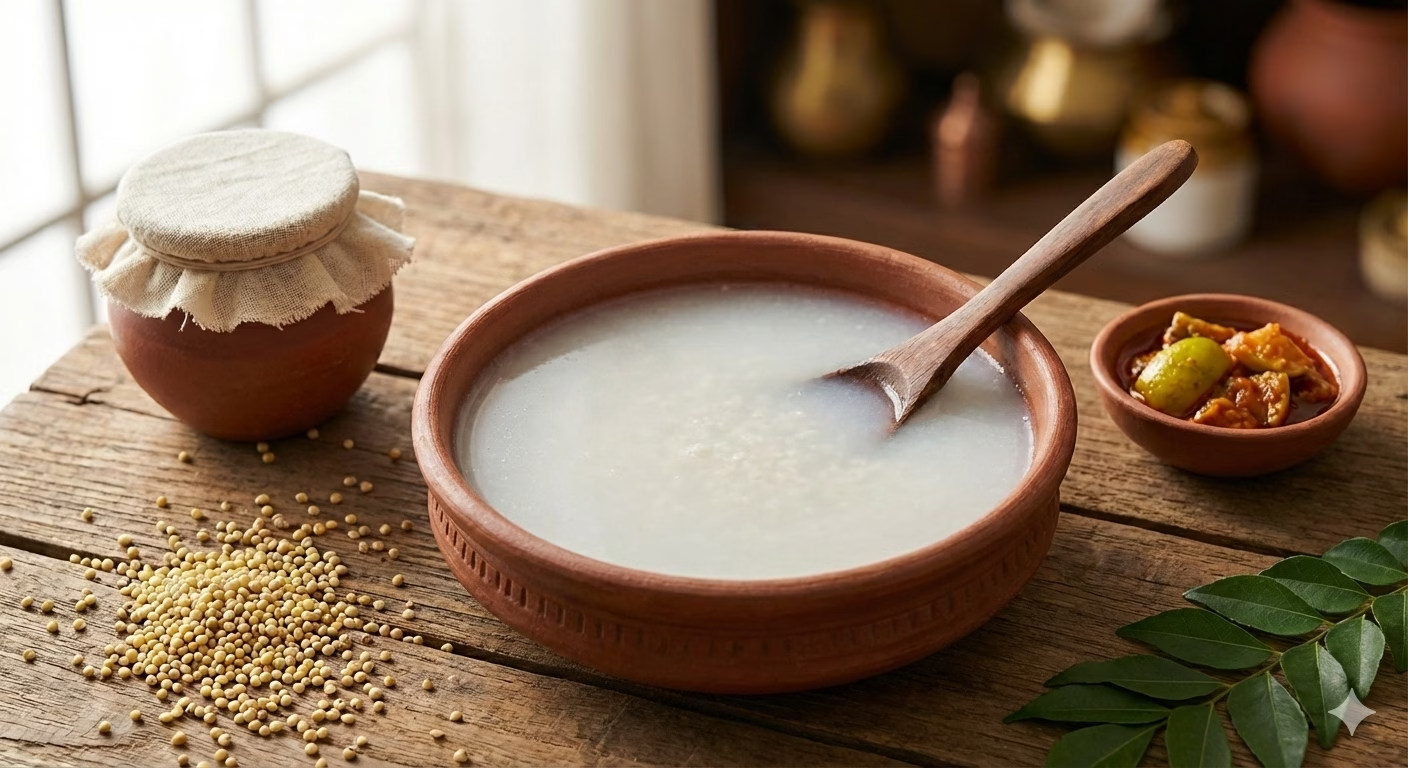
Mandatory Soaking: Rinse the grains and soak them in water for a minimum of 8 hours. Water Ratio: Use a ratio of 1 cup of millet to 2.5 or 3.25 cups of water. • Cooking Vessel: Use an earthen pot (mud pot) or a 304-grade stainless steel vessel. Avoid pressure cookers, as they destroy nutrients. • The Process: 1. Bring the soaking water to a boil in the pot. 2. Add one teaspoon of bull-driven ghani oil or desi cow ghee to ensure the rice is fluffy and grainy. 3. Add the soaked millet and cook on a low flame with the lid partially covered. 4. Once the water is absorbed, turn off the heat, cover the lid fully, and let it rest for 10 minutes before serving. Note: Never discard the soaking water; it contains leached micro-nutrients and should be used for cooking.
Usage
In Siridhanya Rotation: Consume exclusively for 2 days, followed by 2 days each of the other four positive millets.
Cooking Videos
Important Usage Notes
About this Product
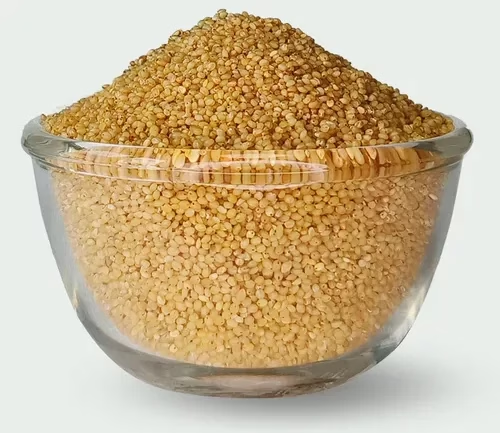
Foxtail millet is one of the traditional millets cultivated and consumed across India for generations. Known for its small, yellowish grains, it has been commonly prepared in place of rice in everyday meals.
This product is Buchhi dehusked, a low-impact traditional method that removes only the outer husk while keeping the grain largely intact. Unlike industrial polishing, this approach focuses on preserving the grain’s natural structure rather than enhancing appearance.
Traditional Context
Foxtail millet has been traditionally grown and consumed in various parts of India, often prepared as part of simple, home-cooked meals. Its use reflects local agricultural practices and seasonal eating patterns.
Nutritional Nature
Foxtail millet naturally contains carbohydrates, dietary fiber, plant protein, and essential minerals, making it a nourishing cereal grain.
FAQs
Please note that the views and information presented on external websites are those of the respective authors and do not necessarily reflect the views of Roodi Food.
Detailed Description
Foxtail Millet (Setaria italica) is recognized as one of the five Positive Millets (Siridhanya) and is valued for its nutritional content. It has a history in traditional Indian food practices and is considered a nutritious cereal that can contribute to a balanced diet.
A good source of protein, fiber, essential vitamins, and minerals, Foxtail Millet has been traditionally included in diets for its potential role in supporting the nervous system and digestive well-being.
Buchhi Dehusked – What You Get
Our Positive Millets are Buchhi dehusked, a gentle traditional method revived by Dr. Khadar Vali and Smt. Mahebunni (Buchhi). Unlike industrial milling, this process focuses on preserving the grain rather than polishing it.
What this means for you:
-
✔ Truly unpolished millet – no artificial shine, no aggressive polishing
-
✔ Natural fiber layers intact – supports slow digestion and steady energy release
-
✔ Plumule (germ) preserved – the grain remains whole and structurally complete
-
✔ Minimal breakage – very low grits compared to factory-milled millets
-
✔ No heat or chemical treatment during dehusking
-
✔ Clean, honest processing closer to the millet’s natural form
Because Buchhi dehusking is a low-impact process, these millets require proper soaking before cooking, which helps improve digestibility and cooking quality.
🧠 Recognising Foxtail Millet
-
Taste: Slightly sweet and mildly bitter.
-
Color & Size: Small, yellowish seeds with a smooth finish.
-
Texture: Light and fluffy when cooked, similar to broken rice.
🌾 Did You Know?
-
Foxtail Millet contains lecithin.
-
A 100g serving provides a notable amount of dietary fiber and protein.
-
Used traditionally in Ayurvedic and folk medicine for over 2000 years.
- Please note that the views and information presented on external websites are those of the respective authors and do not necessarily reflect the views of Roodi Food.


