
Microgreens: Young Greens Explained
A Simple Guide to Microgreens
we harvest our greens at the exact moment when the plant's energy and nutrient density are at their peak.
Watch
Read
How to Use & Cook
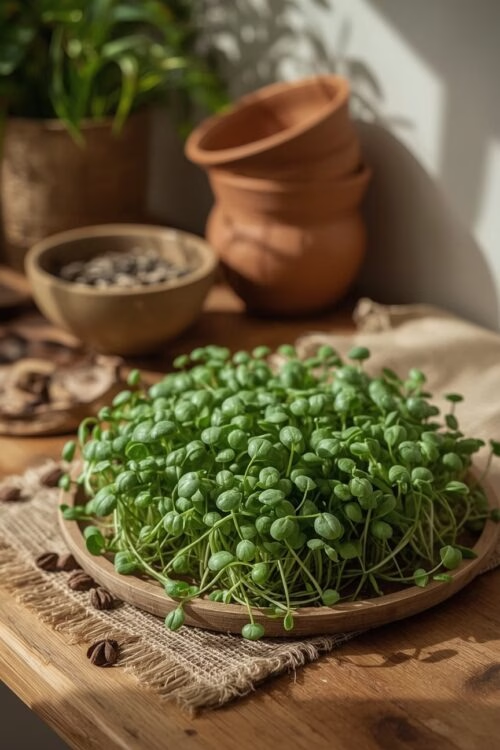
Rinse: Submerge briefly in a bowl of cool water and pat dry gently.
Prep: Keep the stems intact; they are full of flavor and crunch.
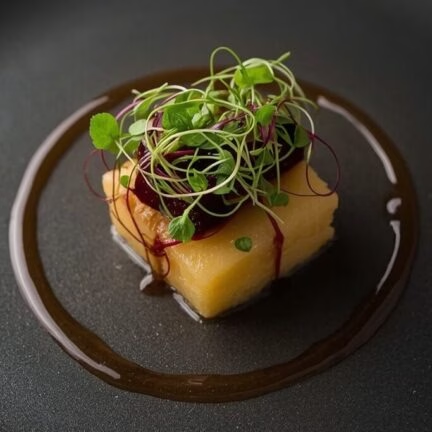
Apply: Sprinkle over hot dishes (Dal, Curry, or Khichdi) just before serving, or blend directly into morning smoothies and juices for a nutrient boost
Usage
Daily Vitality: Can be enjoyed daily as a fresh addition to any meal, much like a side salad or coriander garnish.
Cooking Videos
Important Usage Notes
About this Product
Roodi Food Microgreens are grown with a focus on cleanliness, honesty, and careful handling. These young greens are harvested early and supplied fresh to maintain quality and natural flavour.
We avoid chemical pesticides, synthetic fertilisers, and artificial growth enhancers. Each batch is produced in small quantities to ensure attention to detail and freshness.
Traditional Context
Traditional food cultures across India and Asia have long included tender plant shoots in meals. Though the term microgreens is modern, the idea of consuming young greens is not new.
Nutritional Nature
These young plants are a source of high-quality plant protein and dietary fiber in a highly bioavailable form. Depending on the variety, they offer a natural spectrum of antioxidants and glucosinolates
FAQs
Please note that the views and information presented on external websites are those of the respective authors and do not necessarily reflect the views of Roodi Food.
Detailed Description
Tiny greens with mighty freshness
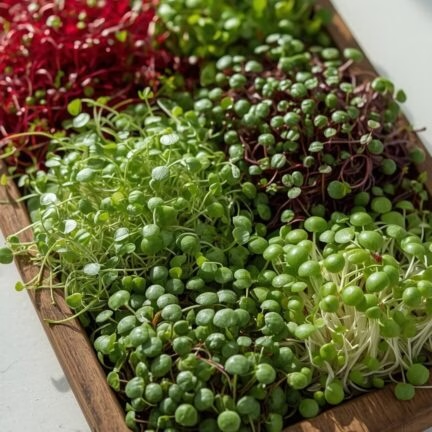
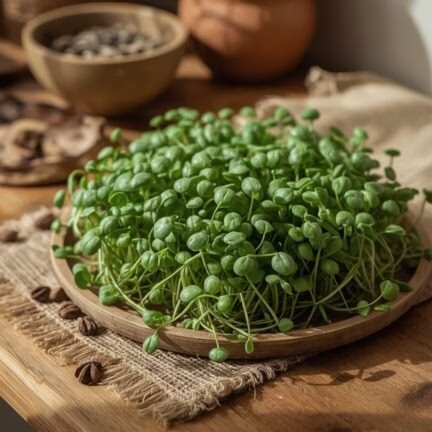
Microgreens are young, tender plants harvested 7–14 days after germination. Despite their small size, they add vibrant colour, fresh natural flavours, and plant diversity to everyday meals.
At Roodi Food, our microgreens are grown with care under clean, controlled conditions and harvested fresh to maintain quality, taste, and purity in every pack.
🌿 Why Choose Microgreens?
-
Add flavour diversity — spicy, nutty, earthy, sweet, or peppery
-
Freshly harvested, close to natural growing cycles
-
Easy to use as garnish, topping, or ingredient
-
Simple way to include more fresh plants in daily meals
-
Suitable for a wide range of cuisines and preparations
Why Choose Roodi Food’s Uncompromised Microgreens?
What we mean by uncompromised:
-
Grown Naturally – No chemical pesticides, no synthetic fertilisers
-
Carefully Harvested – Cut at an early growth stage for freshness
-
Pure & Clean – Grown in safe growing media, watered with clean water
-
No Adulteration – No artificial growth enhancers or additives
-
Freshly Harvested – Supplied soon after harvest
-
Quality Seeds – Sourced from trusted suppliers
✨ Fresh greens, grown honestly and handled with care.
🌱 Varieties Available
Radish Family
-
Pink Radish Microgreens – Crisp, peppery flavour
-
Purple Sango Radish – Deep purple leaves with a bold taste
-
China Rose Radish – Rosy stems with a sharper radish note
Mustard Family
-
Mustard Microgreens – Strong, pungent flavour
-
Mizuna Microgreens – Mild, gently peppery
Leafy & Root Varieties
-
Beetroot Microgreens – Sweet, earthy notes with red stems
-
Onion Microgreens – Mild onion-like flavour, ideal for garnish
-
Turnip Microgreens – Light, crunchy brassica taste
Shoots
-
Sunflower Microgreens – Nutty, crunchy texture
-
Pea Shoots – Sweet, tender, fresh-tasting
Classic Favourite
-
Broccoli Microgreens – Mild flavour, widely used and versatile
🌾 Traditional Context
While the term microgreens is modern, eating young plant shoots has long been part of traditional food practices:
-
Tender mustard and fenugreek shoots are mentioned in Ayurvedic food traditions
-
East Asian cuisines have historically used radish shoots and young greens
-
Young greens were valued for freshness, flavour, and seasonal eating
Today, modern food research continues to study young plants for their natural nutrient composition, making microgreens a meeting point of tradition and contemporary food culture.
🌱 Nutritional Nature (Non-Medical)
Microgreens naturally contain:
-
Vitamins such as A, C, E, K, and B-complex
-
Minerals including iron, magnesium, calcium, potassium, and zinc
-
Plant compounds like polyphenols, flavonoids, carotenoids, and glucosinolates
-
Naturally occurring fibre and plant proteins
Note: Nutrient content varies by variety. Including a mix supports dietary diversity.
🥗 Usage & Cooking
-
Sprinkle over salads, soups, dosas, poha, or millet bowls
-
Use as garnish for dal, khichdi, or curries
-
Add to wraps, sandwiches, burgers, and rotis
-
Blend gently into smoothies or juices
-
Suitable for Indian, Asian, and continental dishes
Tip: Add microgreens at the end of cooking or use raw to preserve texture and flavour.
🥬 Recognising Microgreens
-
Tiny leaves with soft, tender stems
-
Bright green, purple, or red shades depending on variety
-
Fresh aroma and crisp texture when properly stored
🧊 Storage & Shelf Life
-
Refrigerate at 4–8 °C
-
Keep in breathable packaging
-
Wash gently before use
-
Best consumed within 3–5 days of harvest
⚖️ Important Instructions
-
Microgreens are not sprouts
-
Grown under light and harvested above the root
-
Wash before consumption
-
Handle gently — they are delicate
-
Do not freeze
🌍 Did You Know?
- Some varieties may contain higher concentrations of certain plant compounds compared to mature leaves
-
They require relatively less space and water to grow
-
Each variety has its own unique flavour profile
🍴 Simple Recipe Ideas
-
Microgreen Salad Bowl – Sunflower, beetroot, and radish microgreens
-
Indian Twist – Pea shoots added to poha or khichdi
-
Smoothie Add-On – Banana, spinach, and broccoli microgreens
-
Everyday Garnish – Onion microgreens on dal
📦 Availability
-
Harvested fresh every week
-
Available at Roodi Food
No related Products