
A Closer Look at Lion’s Mane Mushroom
Life becomes special when Intelligently Eating
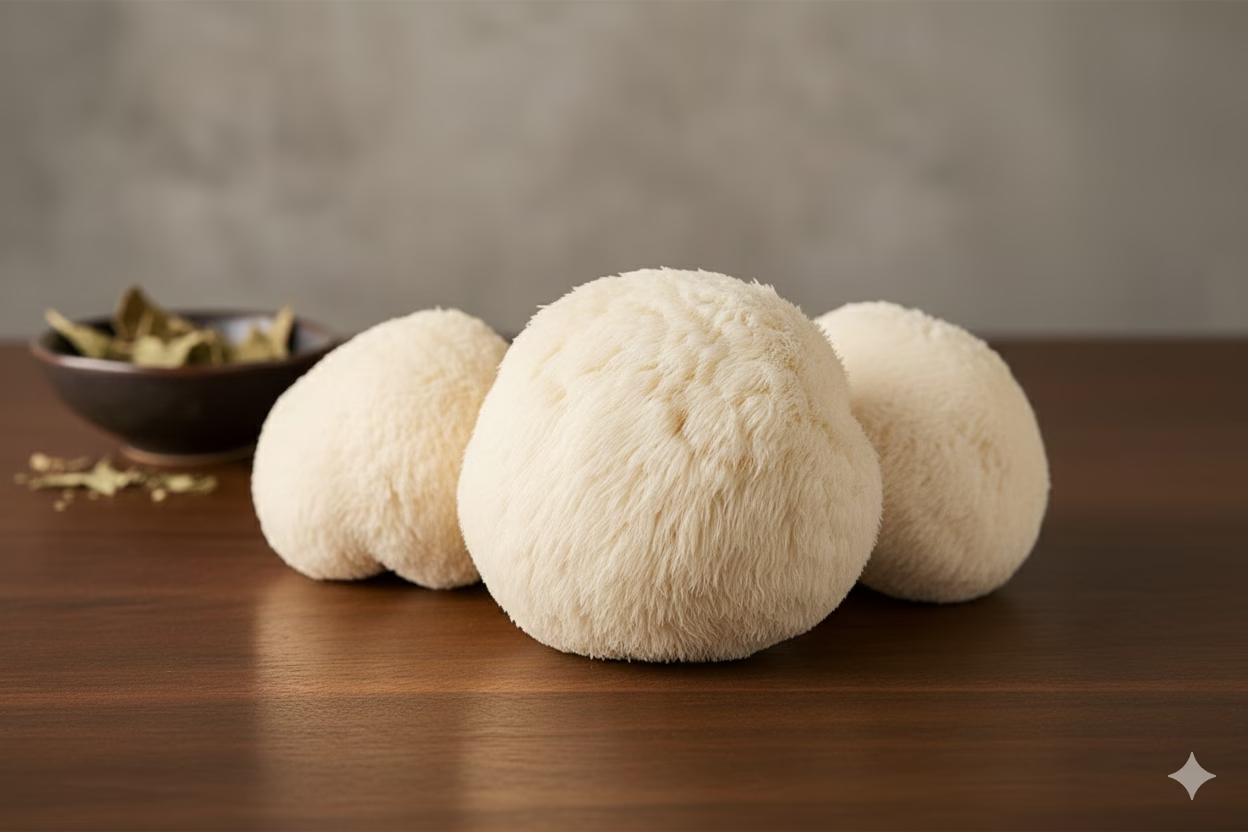
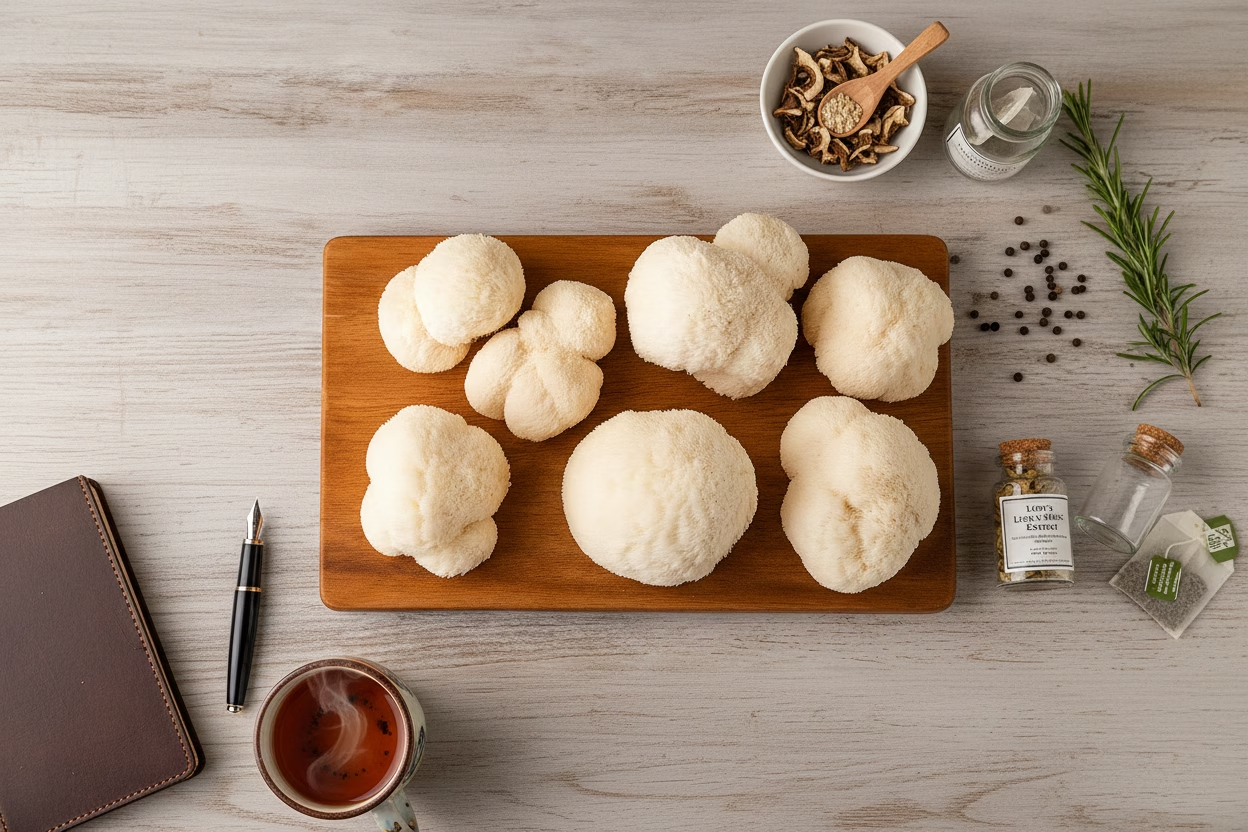
Lion’s Mane is a distinctive edible mushroom traditionally consumed as food in parts of Asia, appreciated for its texture and culinary adaptability.
Watch
Read



How to Use & Cook
Gently wipe or rinse briefly, drain excess water, and tear by hand to retain texture. Cook well with oil, spices, or gravies until soft and evenly heated.
Usage
Use like other fresh vegetables or mushrooms
Cooking Videos
Important Usage Notes
About this Product
Lion’s Mane Mushroom is a gourmet edible mushroom known for its distinctive appearance and gentle flavour. It is grown in controlled conditions and supplied fresh, without additives or post-harvest treatments.
As a fresh ingredient, this mushroom is best understood through cooking and taste, not claims. We supply it whole and unprocessed so customers can decide how it fits into their kitchen.
Traditional Context
In traditional food cultures of East Asia, Lion’s Mane has long been consumed as a vegetable-like ingredient, prepared in soups, stir-fries, and broths.
Nutritional Nature
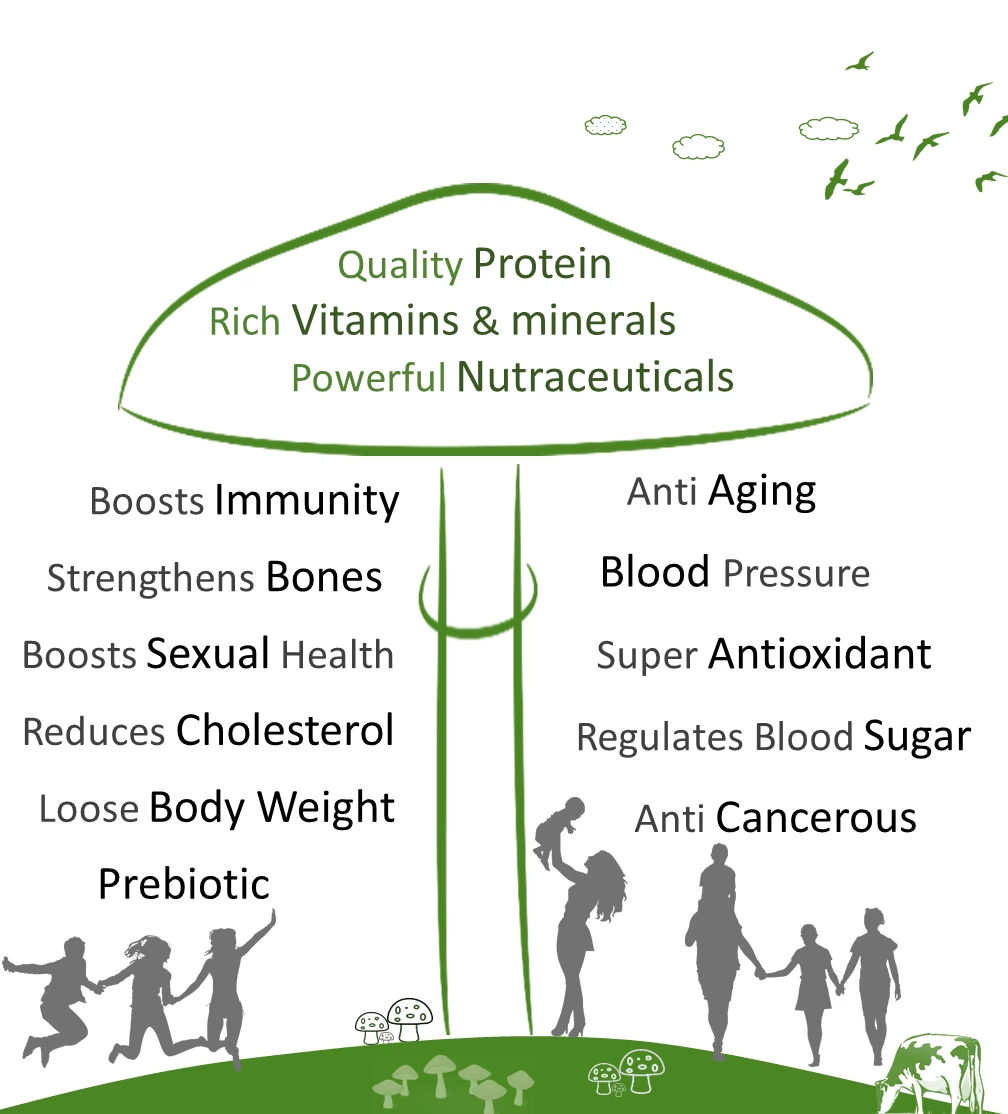
This mushroom is a source of essential amino acids and minerals, including potassium and iron. Its primary value lies in its secondary metabolites, such as hericenones.
FAQs
Please note that the views and information presented on external websites are those of the respective authors and do not necessarily reflect the views of Roodi Food.
Detailed Description
Fresh Lion’s Mane Mushroom
(Hericium erinaceus)
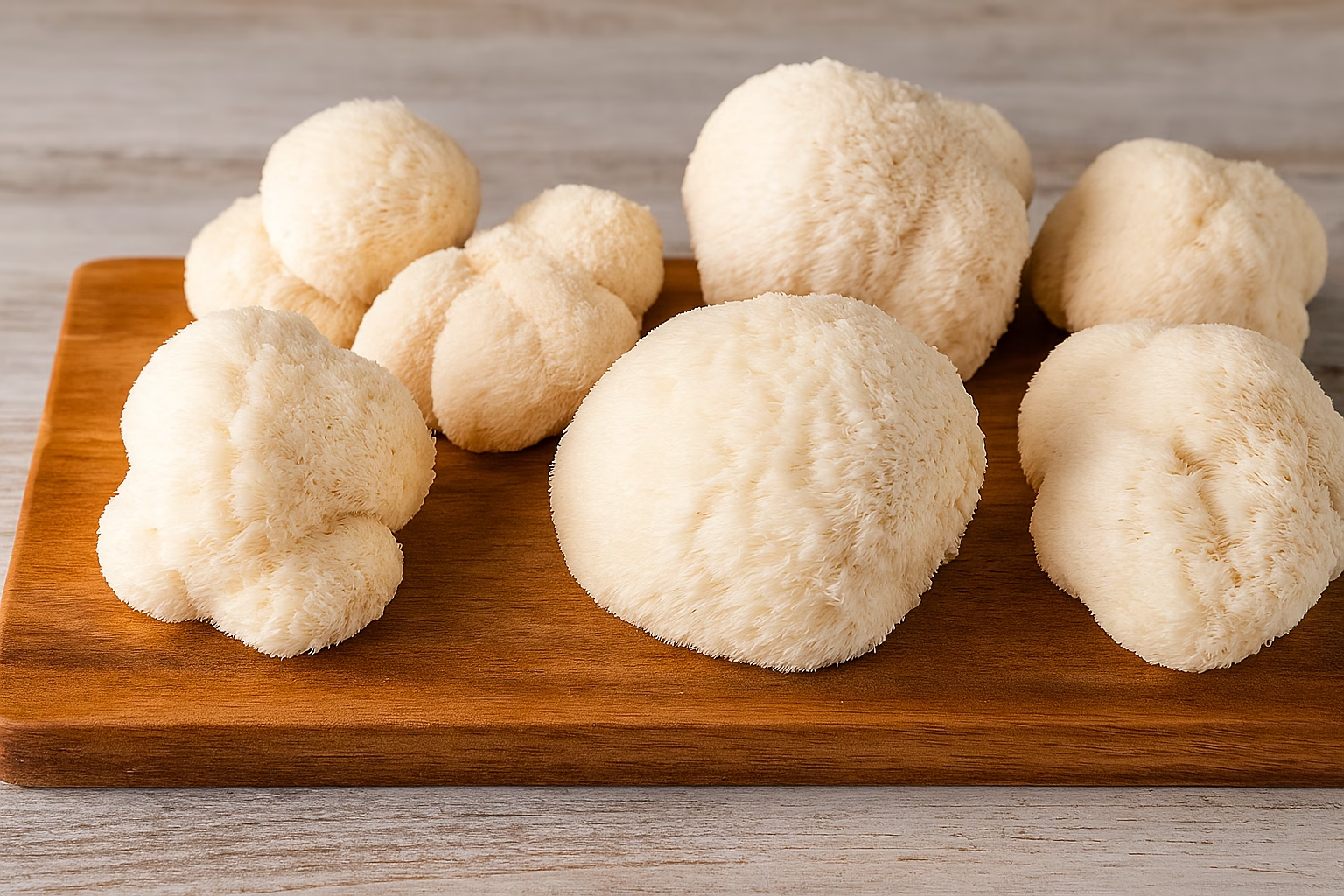
Lion’s Mane Mushroom is a distinctive edible mushroom recognised for its unique cascading white structure and mild, delicate flavour. With a soft, fibrous texture when cooked, it is appreciated both for its culinary qualities and its place in traditional food cultures.
At Roodi Food, our Lion’s Mane Mushrooms are cultivated using clean, responsible growing practices, with a focus on freshness, food safety, and natural quality.
Taste & Culinary Experience
Lion’s Mane Mushroom is known for its mild, subtly sweet flavour and tender texture once cooked. Many cooks appreciate its resemblance in texture to certain seafood dishes, making it a popular ingredient in plant-forward cooking.
It works well in:
-
Sautéed preparations, lightly seasoned
-
Stir-fries and millet-based dishes
-
Soups and stews, adding body and texture
-
Grilled or pan-fried dishes, where its fibrous structure shines
-
Vegetarian recipes, where texture plays an important role
Usage & Cooking Tips
Preparation
-
Rinse briefly or wipe gently to remove surface particles
-
Slice or shred into bite-sized pieces
-
Cook thoroughly before consumption
Cooking
-
Sauté slowly in ghee or cold-pressed oil
-
Allow moisture to release naturally; cook until lightly golden
-
Season simply to highlight its natural flavour
Lion’s Mane pairs well with mild spices, herbs, turmeric, and whole grains such as millets.
Cleanly Grown, Naturally Wholesome
-
Cultivated without synthetic pesticides or harmful chemicals
-
Naturally low in fat
-
Source of plant-based protein
-
Contains dietary fibre
-
Provides naturally occurring nutrients commonly found in edible mushrooms
Lion’s Mane Mushroom is best understood as a nutrient-dense food ingredient, suitable for inclusion in balanced meals.
Nutritional Perspective (Food-Based)
Like other edible mushrooms, Lion’s Mane naturally contains:
-
Protein and carbohydrates, contributing to daily nutrition
-
Dietary fibre, supporting general dietary balance
-
B-group vitamins, commonly present in mushrooms
-
Minerals such as potassium and iron, in naturally occurring amounts
-
Naturally occurring antioxidant compounds, found in many edible fungi
Nutritional composition may vary depending on cultivation conditions, freshness, and cooking method.
Culinary & Traditional Food Context
In various traditional food cultures, Lion’s Mane has been valued as an edible mushroom, appreciated for its taste, texture, and digestibility. Historically, it has been consumed as part of meals rather than used as a medicinal product.
Recognising Quality Lion’s Mane
-
Natural white, soft, cascading structure
-
Fresh mushrooms are firm and aromatic
-
Avoid excessively darkened, powdery, or overly dry pieces
Storage & Important Instructions
-
Store in a cool, dry place or refrigerate for extended freshness
-
For dried mushrooms, rehydrate in warm water before cooking
-
Always cook before consumption
-
Consume as a food ingredient, not as a medical substitute
Why Choose Roodi Food?
By choosing our Lion’s Mane Mushrooms, you choose:
-
Fresh, carefully cultivated produce
-
Clean growing practices, focused on food integrity
-
High hygiene standards, including controlled environments
-
An honest food philosophy, free from exaggerated or medicinal claims
Currently available for online delivery in Bangalore.
Important Disclaimer (FSSAI-Aligned)
This product is a food item, not a medicine.
It is not intended to diagnose, treat, cure, or prevent any disease.
Any references to traditional use or nutrients are for general food awareness only.
For medical or therapeutic purposes, please consult a qualified healthcare professional.


