
Choosing Fresh Leafy Vegetables
Understanding Green & Brown Varieties
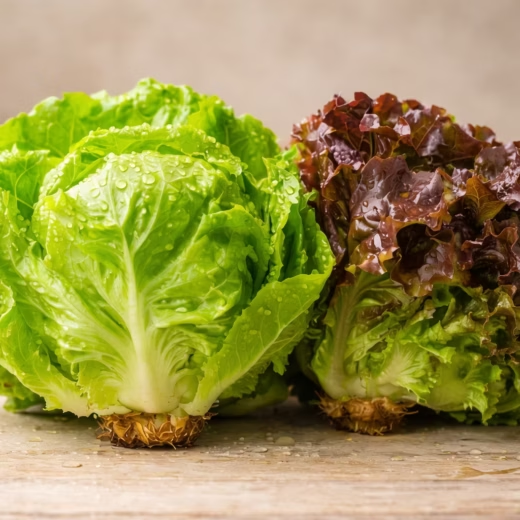
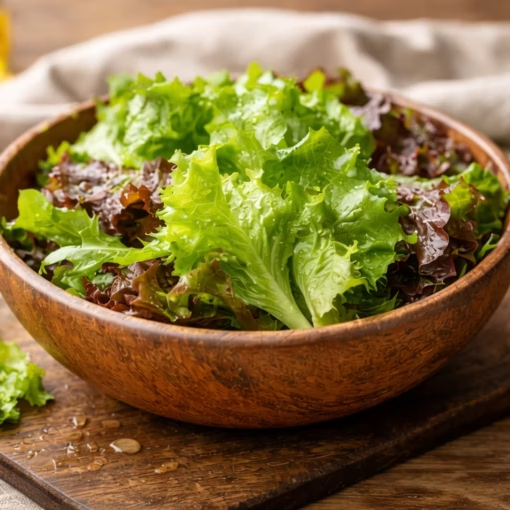
Green and brown lettuce differ slightly in flavour and appearance, yet both bring freshness and lightness to everyday meals.
Watch
Read

How to Use & Cook
Separate and rinse gently in plenty of clean water. Drain completely before use. Store refrigerated and consume while fresh for best texture.
Usage
Best consumed fresh within a few days of purchase.
Cooking Videos
Important Usage Notes
About this Product
Our organic green and brown lettuce heads are cultivated using responsible farming practices and harvested at natural maturity. Delivered whole, they retain their structure and freshness until you prepare them at home.
Both varieties offer a mild flavour and crisp texture, making them suitable for salads, wraps, and fresh bowls. As a natural product, size and weight vary based on seasonal growth conditions.
Traditional Context
Leafy greens have traditionally been included in meals to add freshness, balance, and lightness. Lettuce, though more recently popular in Indian kitchens, fits well into simple, clean food patterns.
Nutritional Nature
Lettuce is naturally high in water and provides dietary fibre. It contributes lightness and freshness to meals without heaviness.
FAQs
Please note that the views and information presented on external websites are those of the respective authors and do not necessarily reflect the views of Roodi Food.
Detailed Description
What is Lettuce?
Lettuce is a tender, leafy vegetable commonly eaten raw in salads, wraps, and sandwiches. It belongs to the Asteraceae family and is valued for its freshness, mild taste, and crisp texture.
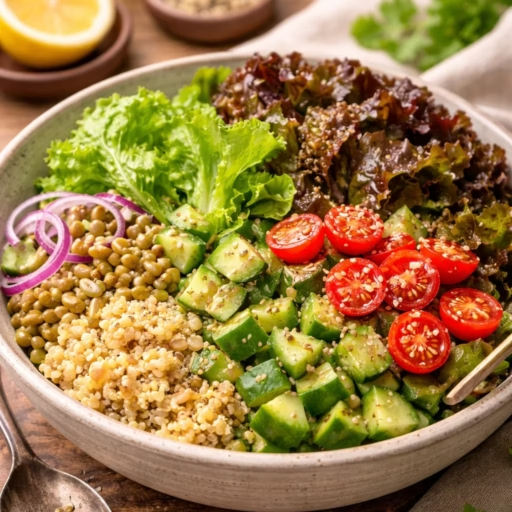
In Indian kitchens, it is increasingly used in salads, rolls, burgers, fresh juices, and alongside millet-based meals for added freshness.
Common Types of Lettuce
-
Butterhead (Boston/Bibb) – Soft, tender leaves with a mild flavour.
-
Romaine (Cos) – Long, sturdy leaves; slightly crisp and more structured.
-
Iceberg – Very crisp, high water content, tightly packed head.
-
Loose Leaf – Open, frilly leaves; delicate and easy to harvest.
Culinary Use
-
Fresh salads
-
Millet bowls
-
Wraps and rolls
-
Sandwiches and burgers
-
Garnish for warm dishes
-
Green smoothies (mild flavour blends easily)
Nutritional Nature (General Food Context)
-
High water content
-
Naturally low in calories
-
Contains dietary fibre
-
Provides small amounts of vitamins like A and K (varies by variety)
-
Light and refreshing in meals

