
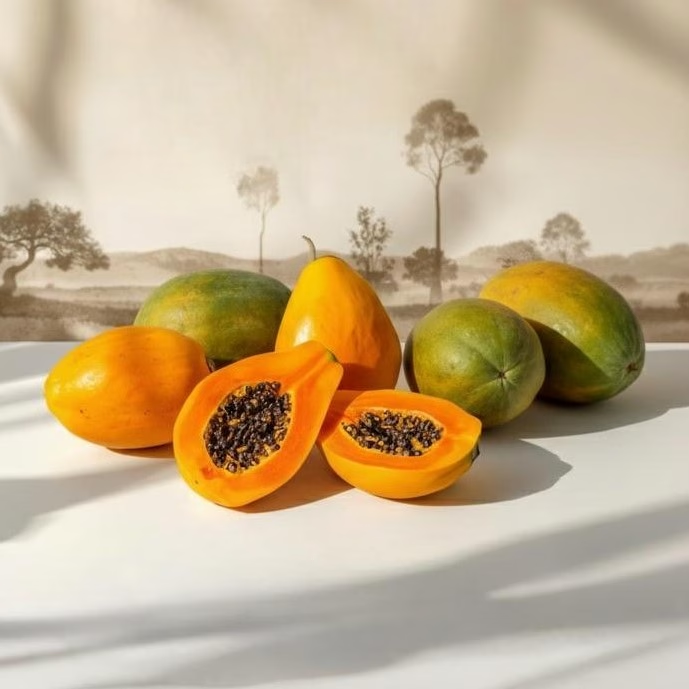
Grown the Way Nature Designed
Learn Once Benefit for Life
Our papayas are grown in a diverse, living ecosystem where multiple plant layers support soil health and natural growth.
Watch
Read


How to Use & Cook
Allow the papaya to ripen naturally at room temperature. Once soft and yellow-orange, cut and consume fresh or use in light preparations. For a refreshing twist, toss cubes with mint leaves and ginger juice. Avoid pairing with dairy products like milk or curd to ensure optimal digestion.
Usage
Can be consumed regularly as part of a balanced diet.
Cooking Videos
Important Usage Notes
About this Product
At Roodi Food, farming is guided by respect for nature rather than speed or yield pressure. These papayas are cultivated in living farms where plants support one another and soil fertility is maintained naturally.
The result is a fresh fruit that reflects its growing environment—honest, seasonal, and minimally interfered with.
Traditional Context
Often consumed fresh or in simple preparations, papaya is commonly eaten during the day and paired with light foods.
Nutritional Nature
Papayas are naturally composed of water, fiber, and essential micronutrients. They are particularly known for containing enzymes such as papain and chymopapain, along with significant levels of Vitamin A, Vitamin C, and magnesium.
FAQs
Please note that the views and information presented on external websites are those of the respective authors and do not necessarily reflect the views of Roodi Food.
Detailed Description
🧡 Product Overview
At Roodi Food, purity begins in the soil.
Our Naturally Grown 5-Layer Papayas are cultivated in living farm ecosystems using the five-layer natural farming method—where trees, shrubs, creepers, ground crops, and soil microorganisms grow together in balance.
This biodiverse environment supports slow, natural fruit development, resulting in papayas that are naturally sweet, fibre-rich, and gently ripened on the plant, without chemical ripeners or artificial enhancement.
From our farm to your table—with honesty, integrity, and respect for nature.
🌾 What Is 5-Layer Natural Farming?
Five-layer farming mirrors nature’s own structure by integrating multiple plant layers that support soil life and biodiversity.
In our farms, papaya plants grow alongside complementary trees, herbs, and root crops that nourish the soil and protect each other naturally.
Observed outcomes of this method:
-
Better soil moisture retention and nutrient cycling
-
Naturally balanced fruit sweetness and texture
-
Support for pollinators and groundwater health
-
Reduced pest pressure without chemical inputs
🍃 Key Features
| Attribute | Description |
|---|---|
| Farming System | 5-Layer Natural Farming |
| Variety | Traditional, Non-Hybrid |
| Ripening | Naturally ripened on the plant |
| Chemical Use | No pesticides, carbide, or artificial ripeners |
| Sweetness | Naturally developed, not injected |
| Ethos | Honesty • Integrity • Purity |
🍈 Nutrition & Food Properties
(General food information only)
Papaya is traditionally valued as a light, refreshing fruit and is known for its natural composition:
-
Contains naturally occurring enzymes such as papain
-
Source of dietary fibre
-
Provides Vitamin C and Vitamin A
-
High water content; refreshing and easy to eat
-
Naturally occurring antioxidants found in fresh fruits
(Nutritional properties are for general food understanding, not medical use.)
🌞 How to Allow Natural Ripening at Home
-
Keep firm papayas at room temperature in a paper bag or wrapped in banana leaves
-
Allow 2–3 days for gradual colour change
-
Avoid direct sunlight and refrigeration during ripening
-
Once fully ripe and soft, refrigerate only if consuming within 2–3 days
Avoid artificial heat or chemicals for ripening.
🧺 Storage Tips
-
Store unripe papayas in a cool, shaded place
-
Do not refrigerate unripe fruit
-
After ripening, refrigerate at 8–10 °C
-
Once cut, store in an airtight container and consume within 24 hours
🥗 Traditional Consumption Guidance
(Cultural and culinary context)
-
Often eaten alone or as part of a light meal
-
Commonly paired with lime, mint, or a pinch of rock salt
-
Traditionally avoided with milk or heavy foods in some food cultures
-
Generally preferred during daytime meals
(These are traditional food practices, not medical advice.)
🍋 Complementary Foods
Papaya is commonly paired with:
-
Lime or lemon
-
Mint leaves
-
Ginger (small quantities)
-
Other fresh fruits
-
Seeds such as chia or flax
🍴 Simple Home Preparations
-
Fresh Papaya Bowl
Papaya cubes with lime and soaked chia seeds -
Light Papaya Salad
Papaya, carrot, mint, lemon, and roasted sesame -
Papaya & Coconut Water Blend
Papaya blended with tender coconut water -
Papaya Juice (Fresh)
Papaya blended and strained, consumed immediately
📜 Traditional Food Wisdom
(Non-medical, cultural reference)
In traditional Indian food systems, papaya is considered:
-
A light, cooling fruit
-
Suitable for daytime consumption
-
Commonly chosen during warm seasons
🛒 Availability
Fresh 5-Layer Naturally Grown Papayas are available at Roodi Food Stores and online at roodifood.com.
Hand-harvested, naturally ripened, and supplied directly from our farms.

