
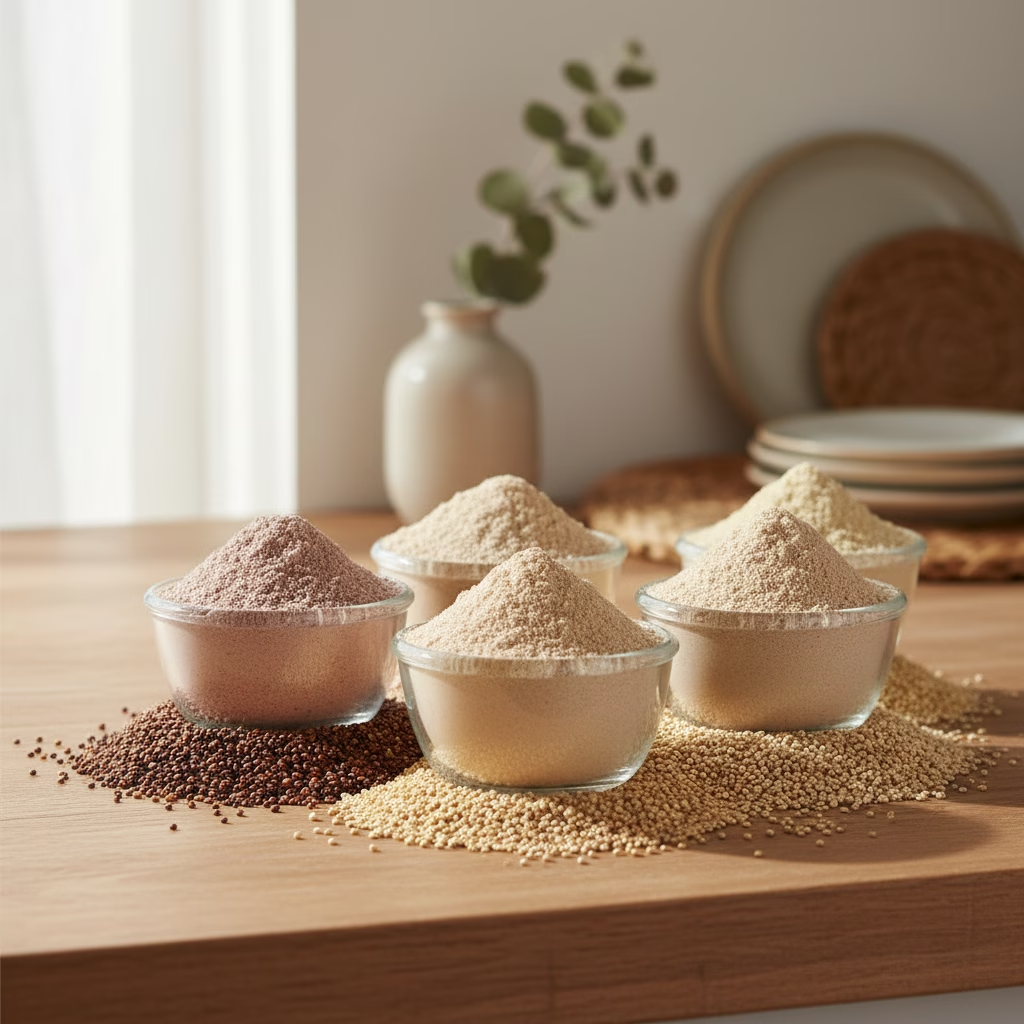
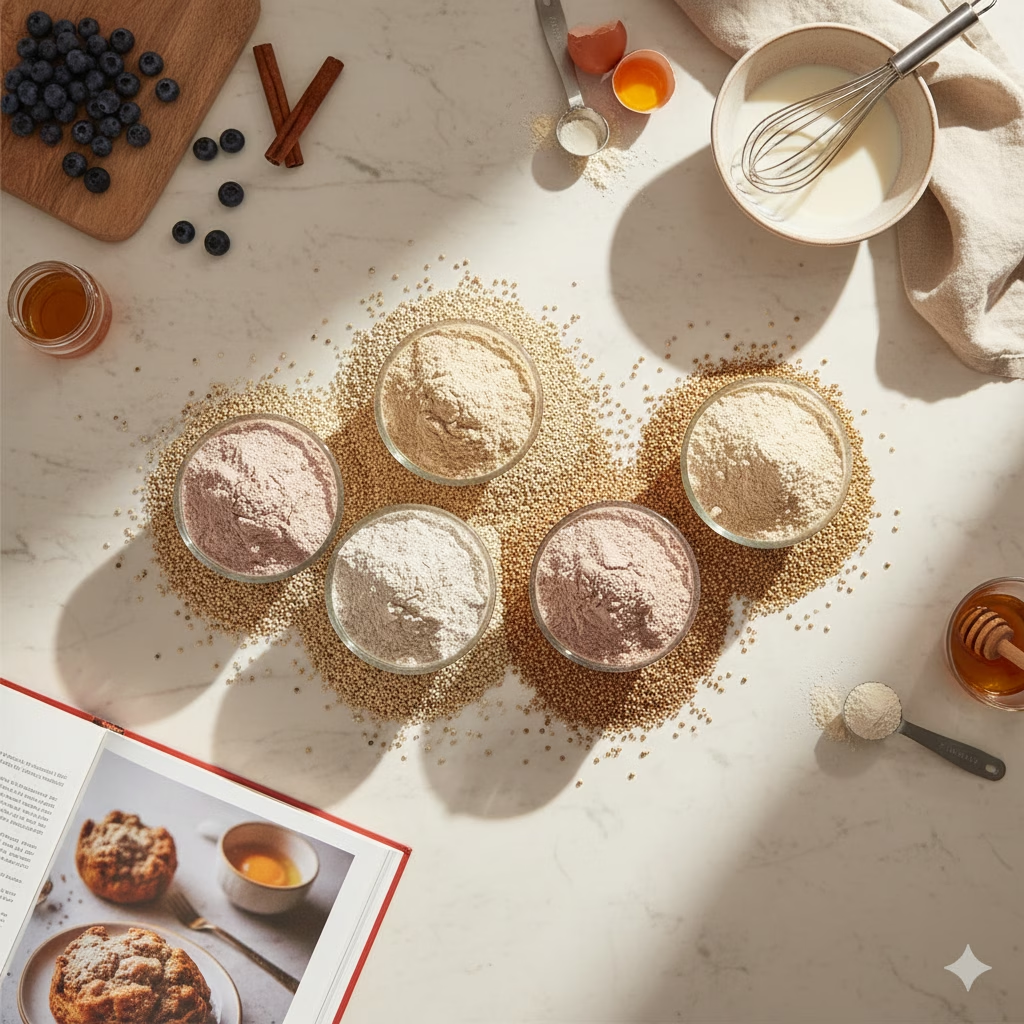
Why Choose Our Millet Flours
Learn Once Benefit for Life
Our stone-milling method avoids the high temperatures of modern steel rollers. By keeping the flour cool during grinding, we protect the delicate oils and vitamins that make millets a nutritional powerhouse.
Watch
Read



How to Use & Cook
Millet flours can be used for dosas, rotis, puris, pakoras, snacks, and sweets. Since millets are gluten-free and high in fibre, proper hydration and resting are essential.
Hydration: Rest batter or dough before cooking. Flour from presoaked grains needs 30 minutes soaking; regular flour benefits from resting.
Rotis/Chapatis: Mix with hot water, knead, and rest for 2–3 hours for better binding and easy rolling.
Binding Support: Add skinned black gram flour (≈250 g per 1 kg millet flour) or 5–10% mashed sweet potato/elephant yam.
Instant Dosas: Mix to a thin batter and rest 30 minutes. For softer or sour dosas, soak in buttermilk for 6–7 hours.
Pakoras & Bajjis: Prepare a medium-thick batter and rest 15–30 minutes before frying.
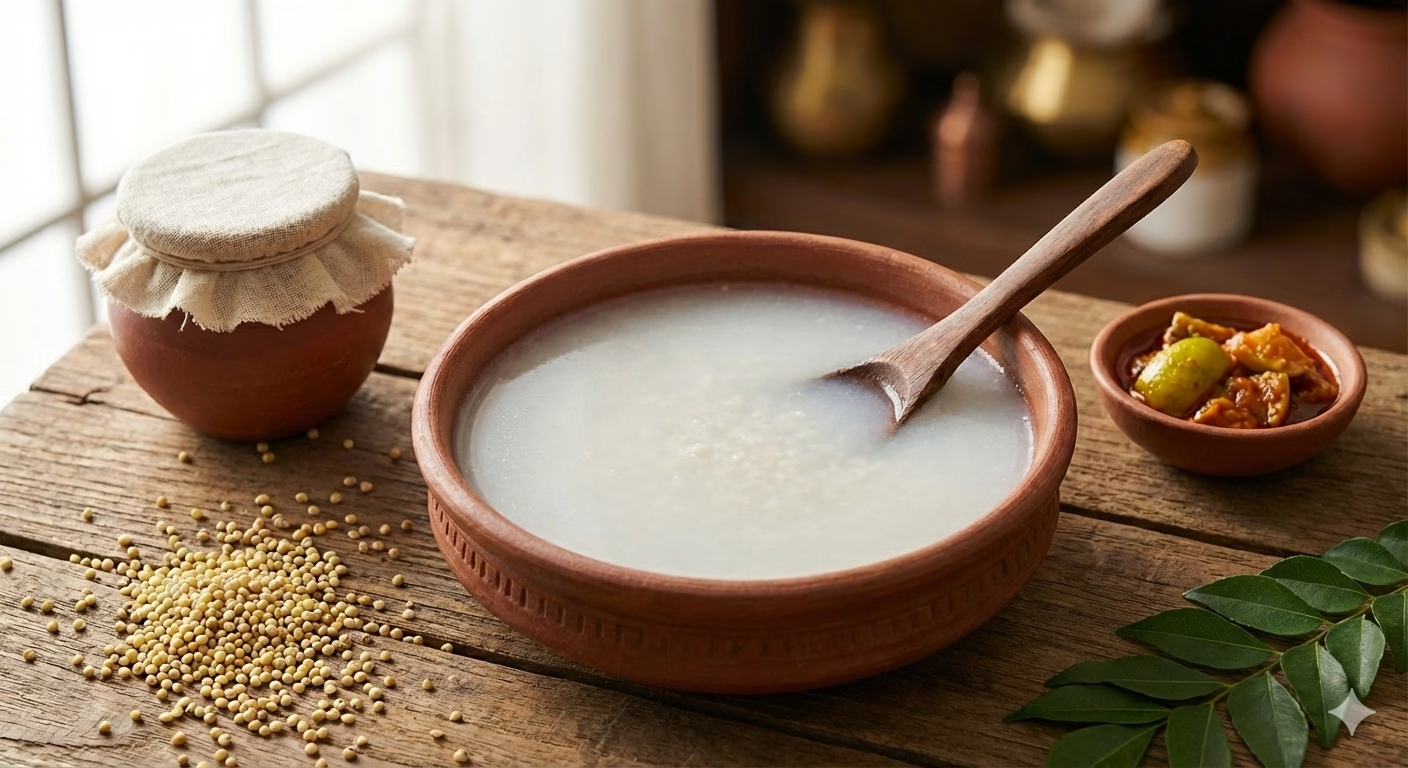
Ambali (Porridge): Dry roast flour, cook with water for 10 minutes, then ferment in a mud pot for 7–9 hours.
Usage
Rotation Method: For holistic benefits, we recommend rotating between the five types of Siridhanya flours every 2-3 days.
Cooking Videos
Important Usage Notes
About this Product
At Roodi Food, we provide “Right Uncompromised Food.” Our millet flours are 100% natural, gluten-free, and designed for those who seek a mindful connection with what they eat. Unlike mass-produced flours, our heat less milling retains the nutrients, providing the full spectrum of vitamins and minerals intended by nature. The grains are buchhi-dehusked.
Traditional Context
In today’s fast-paced world, these flours serve as a “slow-fuel” solution. They are ideal for sedentary lifestyles where high-glucose spikes from refined foods lead to energy crashes. Traditionally used in fermented porridges (Ambali) and savory snacks, they are now being rediscovered by modern kitchens as the ultimate functional food for weight management and metabolic wellness.
Nutritional Nature
As whole grains, Positive Millets offer a different grain structure compared to refined cereals, influencing texture and digestion. Millet flours naturally contain carbohydrates, fibre, and plant-based nutrients as part of the whole grain.
FAQs
Please note that the views and information presented on external websites are those of the respective authors and do not necessarily reflect the views of Roodi Food.
Detailed Description
🌿 Overview
Discover the wholesome goodness of Siridhanya (Positive Millets)—ancient grains that nourish body and mind.
Our Millet Flours are stone-milled using a heatless method, preserving their natural nutrients, aroma, and texture.
Use them to make Idli, Dosa, Roti, Pulihora, Biryani, Pakodi, Biscuits, Pudding, Vadiyalu, and many more.
These flours bring back traditional taste while supporting your health goals.
🌱 General Features
-
Natural & Chemical-Free
-
Heatless Milling for maximum nutrition retention
-
Gluten-Free & Fibre-Rich
-
Locally Grown Siridhanya Millets
-
Supports Diabetic & Wellness Diets*
🥣 Cooking & Preparation Tips
-
Binding for Rotis: Add 5–10% sweet potato, tapioca, or elephant yam for better texture.
-
Protein Enrichment: Mix with skinned black gram (urad dal) for soft rotis and dosas.
-
Quick Mix Recipes: Make instant dosa, thapilent, laddus, or pakoras using millet flour.
🌾 1. Browntop Millet Flour (Korale / Andu Korralu)
Key Attributes:
-
Highest fibre content (12.5%) among all Siridhanyas.
-
Excellent protein (11.5%)—easy to bind for rotis.
-
Dough should rest 2–3 hours for best results.
Best For: Rotis, Dosas, Andhra-style Chekkalu, Tapilent.
🌾 2. Foxtail Millet Flour (Navane / Korra)
Key Attributes:
-
Most balanced millet with ideal nutrient proportion.
-
Protein-rich (12.3%), ideal for crispy dosas.
-
Add 250g skinned black gram flour per kg for soft chapatis.
Best For: Dosas, Rotis, Pulkas, Sev, Bajji, Burfi, Laddus.
🌾 3. Little Millet Flour (Saame / Samalu)
Key Attributes:
-
Smallest grain, easiest to digest.
-
Protein content: 6–7%, C:F ratio 6.68.
-
Best for soft dosas and traditional snacks.
Best For: Soft Dosas, Murukku, Light Snacks.
🌾 4. Kodo Millet Flour (Araka / Arikelu)
Key Attributes:
-
Protein 6–7%, C:F ratio 7.28.
-
Excellent for crisp dosas and pakoras.
Best For: Pakoras, Halwa, Murukku, Coconut Vada.
🌾 5. Barnyard Millet Flour (Udhalu / Oodhalu)
Key Attributes:
-
Fibre 10%, C:F ratio 6.55.
-
Excellent for soft dosas and Ambali (fermented drink).
-
Gentle on the gut—ideal for sensitive digestion.
Best For: Dosa, Uttapam, Ambali, Boorelu, Pakora.
🌾 Usage & Storage
-
Store in a cool, dry place away from moisture.
-
Once opened, keep in an airtight container.
-
Use within 3 months for best freshness.
📦 Available Sizes
-
500g | 1kg (resealable eco-friendly pouches)


