
Share This Recipe, Choose Your Platform!









Dr. Khadar Vali has indeed been promoting an improvised way to make ambali this is that method, this has been known to be very effective with great results.
For detailed demonstrations and authentic guidance on millet practices and best health guidelines, we highly recommend the Millet Magic YouTube Channel.
Here is the latest Videos on Ambali
Key Health Benefits of Ambali
-
Natural Probiotic Support Fermentation introduces beneficial live microbes that help maintain a healthy and balanced gut microbiome.
-
Enhanced Nutrient Bioavailability The fermentation process breaks down anti-nutrients, making minerals such as iron and calcium easier for the body to absorb.
-
Improved Digestive Health High dietary fiber and probiotic content aid in smooth digestion and help alleviate common issues like bloating and constipation.
-
Support for Energy Metabolism As a rich source of B-complex vitamins, Ambali helps convert food into energy more efficiently throughout the day.
- Immune System Support A healthy gut environment, fostered by fermented millets, plays a crucial role in supporting the body’s natural defense mechanisms.
🥣 Ingredients
-
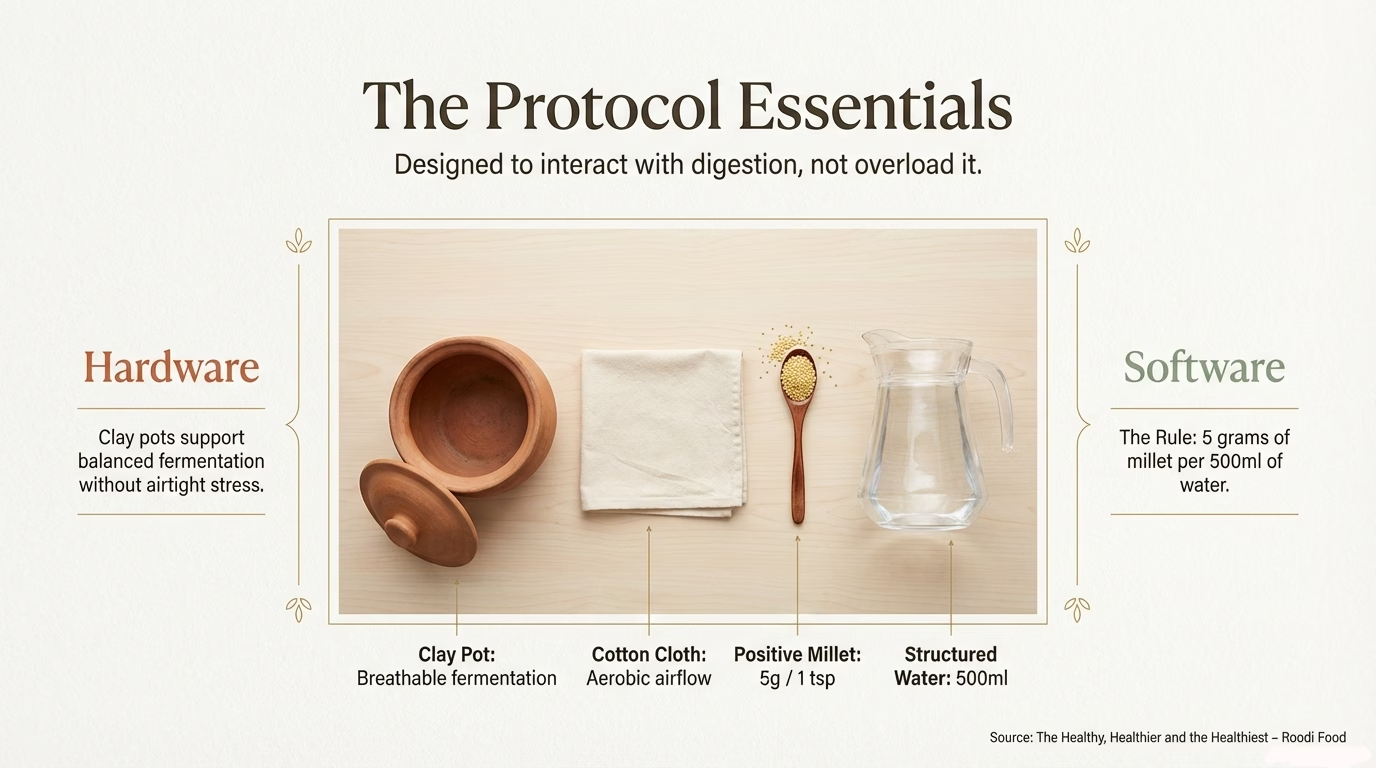
5 g (1 teaspoon) millet – choose from Foxtail, Kodo, Little, Barnyard, or Browntop millet. (Whole grain preferred; millet rava also works.)
-
1/2 Liter ml clean water (Structured) – structured water.
👩🍳 Step-by-Step Preparation
1. Select
❌ Don’t use polished or mixed millets. Always use single positive millets, whole grains or rava.
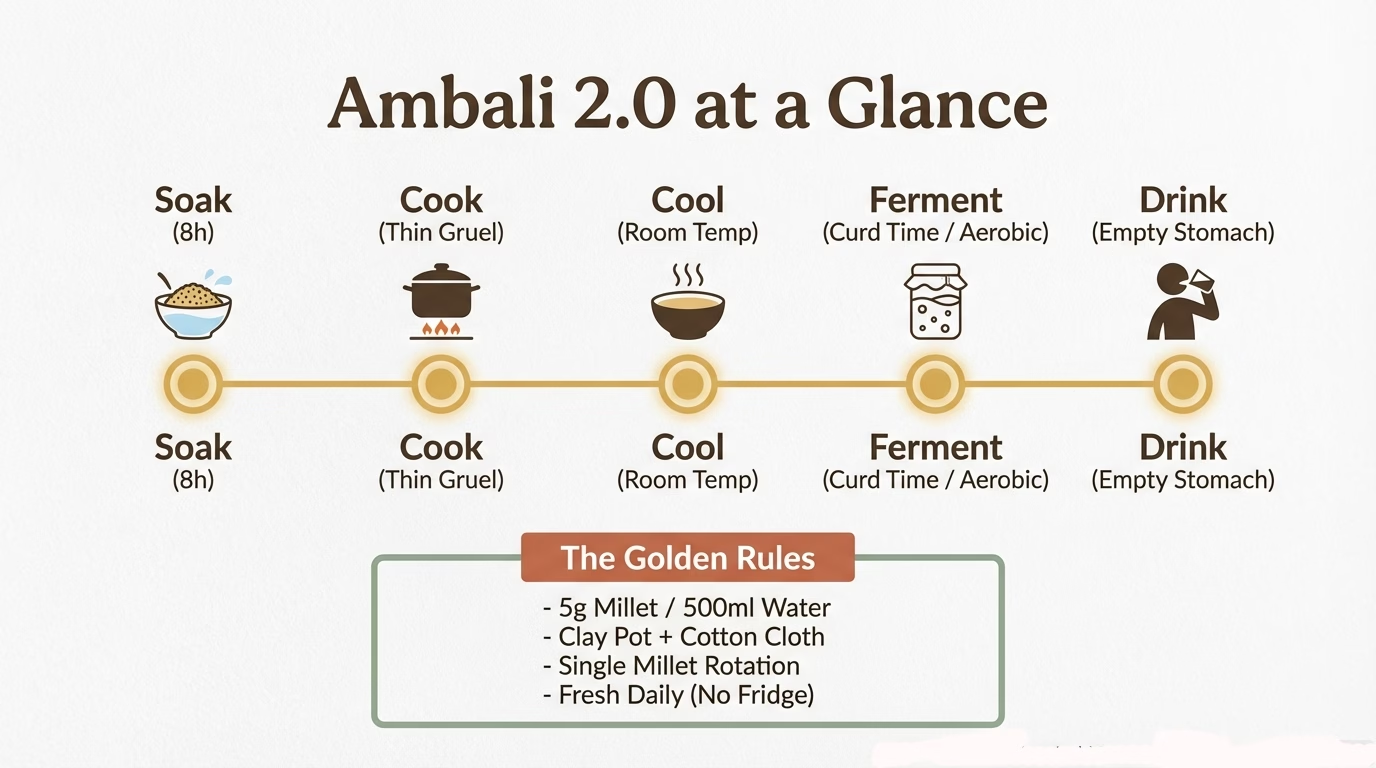
2. Soak (6–8 hours or overnight)
-
Soak in a small amount of water (use this water later for cooking).
-
This activates enzymes, softens grain, and begins gentle pre-fermentation.
3. Cook (Low Flame)
-
Add total 1/2 liter water (including soaked water).
-
Cook slowly until millet softens; mixture should be a thin gruel. Cooking in earthen pot highly recommended.
-
Stir occasionally to avoid sticking.
❌ Avoid pressure cooking — excessive heat destroys subtle compounds.
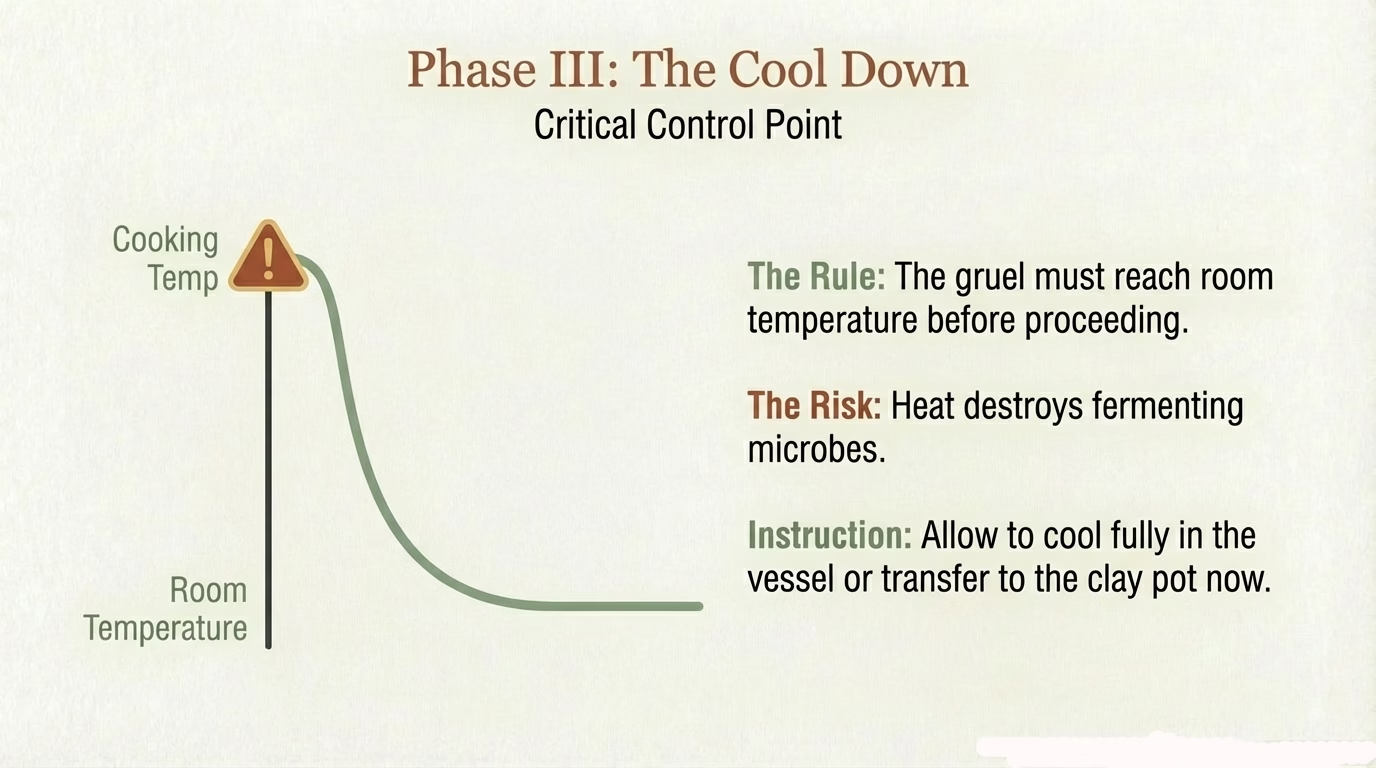
4. Cool Before Fermentation
-
Allow cooked gruel to cool
-
Hot mixture kills microbes needed for fermentation.
5. Ferment (8–12 hours, naturally)
-
Transfer to an earthen/clay pot or glass vessel. If not cooked in earthen pot.
-
Cover with muslin or cotton cloth (not airtight).
-
Leave at room temperature.
⏱️ Fermentation time depends on climate:
-
Warm (25–35 °C): 4–6 hours may be enough. (The time is the same as the duration it takes for milk to set into curd; that specific time can be noted and maintained.)
-
Cold: 10–15 hours; wrap vessel in cloth.
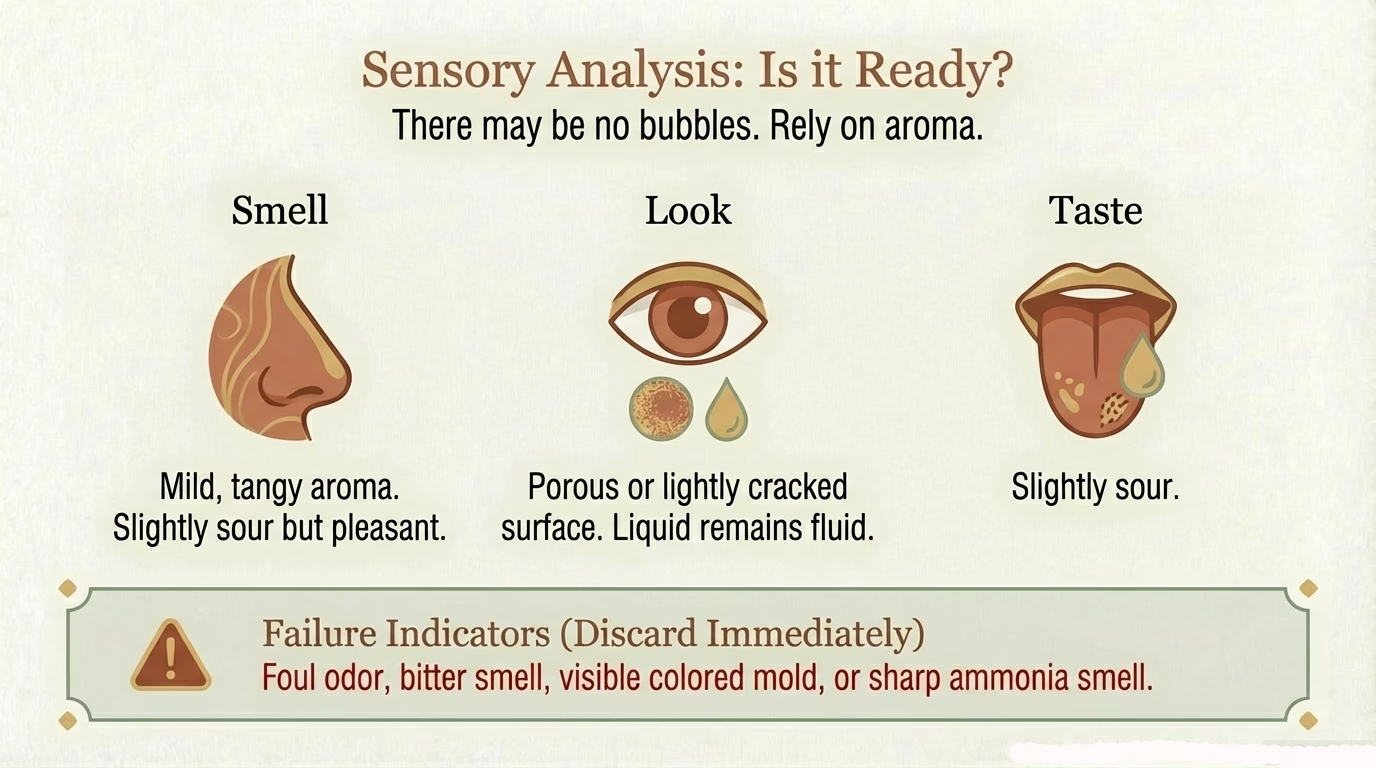
✅ Signs of readiness: Tangy aroma, slightly sour taste, surface cracks or porous look.
6. Consume
-
Drink plain for maximum probiotic benefit.
- Drink on empty stomach do not eat for 30 mins.
-
Optional (just before drinking):
-
Add buttermilk/curd for variation. (Not ideal best if not added as lactic acid bacteria may dominate)
-
Add a little palm jaggery if needed. (Not ideal best without)
-
❌ Never add salt, jaggery, or curd during fermentation.
❌ Do not reheat after fermentation.
🌱 Best Practices
-
Use clay/earthenware for richer microbial diversity and avoiding anaerobic fermentation.
-
Cover with breathable cloth (not plastic/airtight lids).
- Fermentation is climate-dependent: similar to how curd sets in your home.
⚠️ What to Avoid
-
❌ Airtight lids or plastic wrap.
-
❌ Heating after fermentation.
-
❌ Over-fermentation (very sour, bitter, or moldy smell = discard).
-
❌ Fermenting near strong odors or contaminants.
🙋 Frequently Asked Questions
Q: Why only 5 g millet?
A: The very small quantity of millet ensures a light, liquid gruel that passes quickly through the stomach into the intestine. This is crucial because:
-
Liquidity causes the pyloric sphincter (stomach valve) to open, allowing ambali to enter the intestines smoothly.
-
If too thick or solid, it lingers in the stomach, where acids can kill beneficial microbes.
-
The lighter form promotes aerobic fermentation, microbial diversity, and colonisation of the gut, making ambali more effective for long-term health.
Q: Can I use mixed millets?
A: No. Always use a single millet variety at a time, as per Dr. Khadar Vali’s protocol. Mixing millets changes their unique digestive and therapeutic properties and may confuse the body’s adaptation process.
Q: Can I refrigerate ambali?
A: Ambali is best consumed fresh the next morning. Refrigeration:
-
Slows down the activity of beneficial microbes.
-
Can lead to anaerobic fermentation, which may produce unwanted byproducts.
-
Reduces overall probiotic diversity and effectiveness.
❌ For best results, avoid storing in the fridge. Prepare fresh daily.
Q: What if my ambali smells bad?
A: Properly fermented ambali should have:
-
A pleasantly sour/tangy aroma.
-
A slightly porous or cracked surface.
If it smells foul, bitter, or moldy, it has spoiled and must be discarded.
Tips to prevent spoilage:
-
Always use clean, food-safe vessels (clay or glass preferred).
-
Mud/clay pots should be sun-dried regularly for natural disinfection.
-
Keep the fermentation area free from strong odors or contamination.