
The Hidden Dangers of Gluten: Why This Protein Could Be Harming Your Health
The Sticky Poison

When people think of “wheat,” they usually imagine rotis, bread, or biscuits — foods that have been part of our meals for centuries. But behind the comforting image of wheat lies a protein called gluten, now linked with a wide range of chronic health problems — from digestive distress to autoimmune conditions, and even diabetes.
This article explores gluten in depth: what it is, why it has become so harmful in modern times, and the many ways it silently damages human health.
1. What Exactly Is Gluten?
Gluten is not a single substance. It is a protein network formed primarily by:
-
Gliadin – responsible for the stretchiness of dough, and the main culprit behind immune reactions.
-
Glutenin – gives elasticity to bread and rotis.
When flour is mixed with water, these proteins combine to form gluten — a sticky, elastic mesh that traps air bubbles and helps bread rise. Bakers love it, but our bodies often struggle with it.
2. Why Gluten Is Difficult to Digest
Unlike many proteins, gliadin resists complete breakdown in the gut. Instead of being fully digested into harmless amino acids, it leaves behind large fragments (peptides).
-
These fragments can slip through the intestinal wall, especially if the lining is weakened.
-
The immune system sees them as intruders and mounts an attack.
-
Over time, this can trigger inflammation, autoimmunity, and chronic disease.
3. Direct Harmful Effects of Gluten
🔴 a) Gluten and the Gut (Celiac Disease & Leaky Gut)
-
In celiac disease, gluten causes the immune system to attack the villi of the small intestine — the structures that absorb nutrients.
-
This leads to malnutrition, anemia, osteoporosis, and digestive disorders.
-
Even in non-celiacs, gluten increases zonulin, a protein that loosens tight junctions in the gut wall, leading to “leaky gut syndrome.”
-
A leaky gut allows toxins, microbes, and food particles into the bloodstream, triggering widespread inflammation.
🔴 b) Gluten and the Pancreas (Link to Diabetes)
Emerging research and traditional knowledge suggest gluten may damage the pancreas, especially the beta cells that produce insulin.
-
Type 1 Diabetes (Autoimmune Diabetes): Gluten is suspected of mimicking pancreatic proteins, tricking the immune system into attacking beta cells (molecular mimicry).
-
Type 2 Diabetes: Gluten-induced inflammation and leaky gut worsen insulin resistance.
-
Once pancreatic beta cells are destroyed, the damage is often permanent, locking the individual into lifelong diabetes.
This connection is especially important in societies where wheat and refined flour dominate daily meals.
🔴 c) Gluten and the Brain (Neurological Impact)
-
Gluten sensitivity can manifest as “gluten ataxia,” where antibodies attack the cerebellum, leading to loss of balance and coordination.
-
Many people experience brain fog, depression, anxiety, migraines, and even seizures linked to gluten.
-
Gluten peptides may cross the blood-brain barrier, altering brain chemistry.
🔴 d) Gluten and Autoimmune Diseases
Gluten is strongly associated with several autoimmune conditions, such as:
-
Hashimoto’s thyroiditis (hypothyroidism)
-
Rheumatoid arthritis
-
Multiple sclerosis
-
Psoriasis
-
Inflammatory bowel disease
Once the immune system is confused by gluten, it can mistakenly attack the body’s own organs.
🔴 e) Gluten and Chronic Inflammation
Even without full-blown disease, gluten acts as a low-grade irritant:
-
Triggers bloating, gas, and fatigue.
-
Contributes to obesity and metabolic syndrome.
-
Fuels systemic inflammation, which underlies heart disease, cancer, and neurodegeneration.
4. Why Gluten Problems Are Worse Today
1. Modern Wheat vs. Ancient Wheat
-
Traditional wheat varieties (emmer, einkorn) had less gluten and were often fermented before eating.
-
Modern high-yield wheat has been bred for extra gluten content to make softer breads and fluffier rotis.
2. Overconsumption
Gluten is everywhere:
-
Breads, rotis, biscuits, noodles, cakes, sauces, processed snacks.
Most people unknowingly eat gluten 3–5 times a day, overwhelming the gut.
3. Loss of Traditional Processing
-
In the past, wheat was fermented into sourdough, idli, or dosa, which broke down gluten and made it easier to digest.
-
Today’s instant yeast bread and fast-food wheat products skip this step, leaving gluten intact and aggressive.
4. Weak Gut Health
-
Pesticides, antibiotics, processed food, and stress weaken the gut microbiome.
-
A weak gut is more vulnerable to gluten’s toxic effects.
5. Gluten, Children, and the Next Generation
Children are especially vulnerable:
-
Gluten-induced inflammation can impair growth, concentration, and learning.
-
Early exposure is linked with juvenile diabetes and autoimmune disorders.
-
A child hooked on wheat-based fast foods may face lifelong health struggles.
6. Alternatives: The Case for Millets
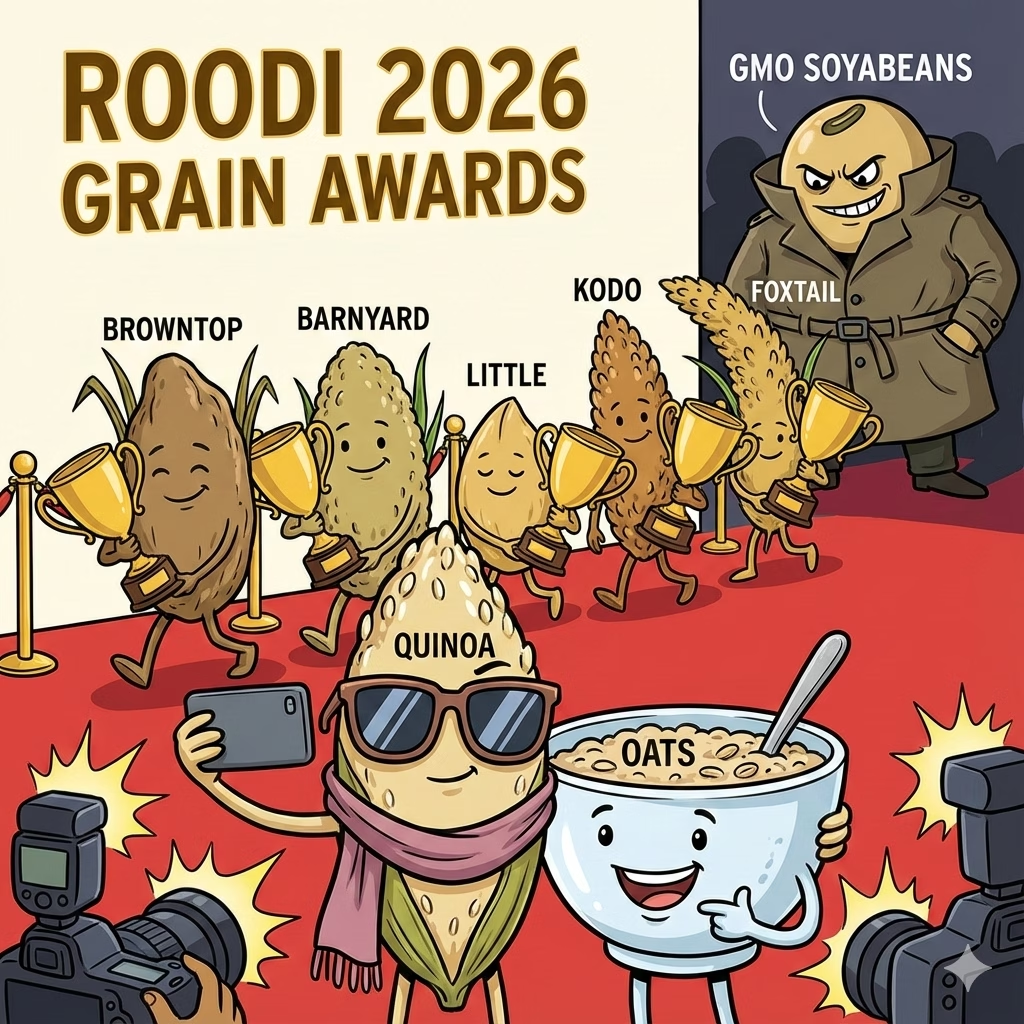
Unlike wheat, barley, and rye, millets are naturally gluten-free.
-
They provide slow-releasing carbohydrates bound with fiber.
-
Rich in minerals like iron, magnesium, calcium.
-
Support gut health and metabolic balance.
Switching to millets can reverse many early signs of gluten-related damage, restore gut health, and reduce the risk of diabetes and other chronic conditions.
7. Conclusion: Why Gluten-Free Matters for Society
Gluten is not just a “personal sensitivity issue.” It has become a silent driver of disease in modern societies — contributing to the rise in diabetes, autoimmune disorders, digestive diseases, and neurological problems.
The way forward is simple:
-
Awareness of gluten’s dangers.
-
Reducing or eliminating wheat-based foods from daily diets.
-
Reclaiming traditional, wholesome grains like Positive Millets.
As the saying goes:
“Food builds society.” If our daily bread is harming us, society itself is weakened. Choosing right foods can heal not just individuals but entire communities.










Leave A Comment