
A Life Without Millets — What One Month Did to Me
Not a health article. Just what actually happened when millets disappeared from my life for a month

It was not a choice. Neither my partner nor I chose to step away from millets. A series of serious accidents left us both unable to cook for over a month. Suddenly, every meal came from outside — hospital food (Irony)! restaurant food, the ordinary staples of rice, wheat, and sugar that the world around us runs on. Millets, my daily anchor, were simply gone.
What followed was one of the most instructive periods of my life — not because it was pleasant, but because it was deeply, undeniably revealing.
The Body Speaks — If You Learn to Listen
I have a meditation practice. It has become, over time, a form of inner listening — a way of observing the body’s signals with some degree of clarity. And during this millet-free month, the body spoke loudly.
The first thing I noticed was the disappearance of a certain calm. Millets release glucose slowly, steadily — the kind of release that sustains mental clarity without the peaks and troughs that follow a rice or wheat-based meal. That calm was gone. In its place was an inner restlessness, a background hum of struggle. Digestion, which I had come to take for granted, became a source of constant low-level discomfort.
Then came the hormonal signals — pimples resurfacing, skin losing its equilibrium, energy levels becoming unpredictable. The body was clearly communicating imbalance, broadcasting through every channel available to it.
“The body doesn’t whisper when something essential is missing. It shouts — if you are quiet enough to hear.“
Perhaps the most striking change was in my mental and emotional state. Gut health and mood are not separate systems — modern science, and ancient wisdom alike, understand the deep connection between the two. As the gut microbiome shifted — likely eroded by the absence of the prebiotic richness that millet brings — my mood stability changed. There was less peace. Less of what I can only describe as quiet fulfillment. The mind, usually settled, was rattled.
Some Changes Are Slow. Some Are Instant.
Not every consequence of millet-absence announces itself immediately. Some deterioration is slow — the kind that creeps in silently over weeks and months, below the threshold of daily detection. You only notice it in retrospect, when you look back and ask: when did I stop feeling this good?
Other changes are immediate. The shift in digestion, the disruption of sleep quality, the mood fluctuations — these were felt within days. The body, calibrated to the rhythm of millets, reacts quickly when that rhythm is broken.
This distinction matters. Most people abandon millets not because they dislike them, but because they cannot see immediate harm in doing so. The slow-moving consequences remain hidden — until they accumulate into something impossible to ignore.
Millets Are Not an Upgrade. They Are the Baseline.
This is the central insight I want to share, and I want to share it without softening it: millets are not a health food choice. They are not a wellness trend. They are not a supplement or an upgrade that you adopt when you feel motivated to live better.
They are the baseline. The foundation. The absolute minimum of what the human body — evolved over millennia
“Searching for an alternative to millets is like searching for an alternative to water. It is not arrogance to say this. It is simply the truth.”
I understand this may sound strong. It may even sound arrogant to those who have not yet experienced the clarity that comes from sustained millet consumption, or the deterioration that comes from its absence. But I have lived both sides of this within a single month, and the evidence of my own body is unambiguous.
When we search for substitutes for oxygen or water, we call it what it is: a fool’s errand. The same applies here. Millets are not interchangeable. The complex of fibre, slow glucose, prebiotic nourishment, mineral density, and hormonal support they provide cannot simply be replicated by another grain.
Siridhanya — The Name That Says Everything
Dr. Khadar Vali, the scientist and champion of positive millets, named them Siridhanya — and I have come to understand that this was not a poetic flourish. It was Precision.
‘Siri‘ means prosperity. And these grains are prosperity — not in the abstract, but in the most immediate, lived sense. Prosperity of digestion, of hormonal balance, of mental clarity, of mood stability, of productive, engaged days. This is the true form of abundance.
Every day lived with millets is a better day. More focused. More stable. More alive. That is not an exaggeration. It is what I have experienced, and what I experienced losing.
Ambali: A Special Mention
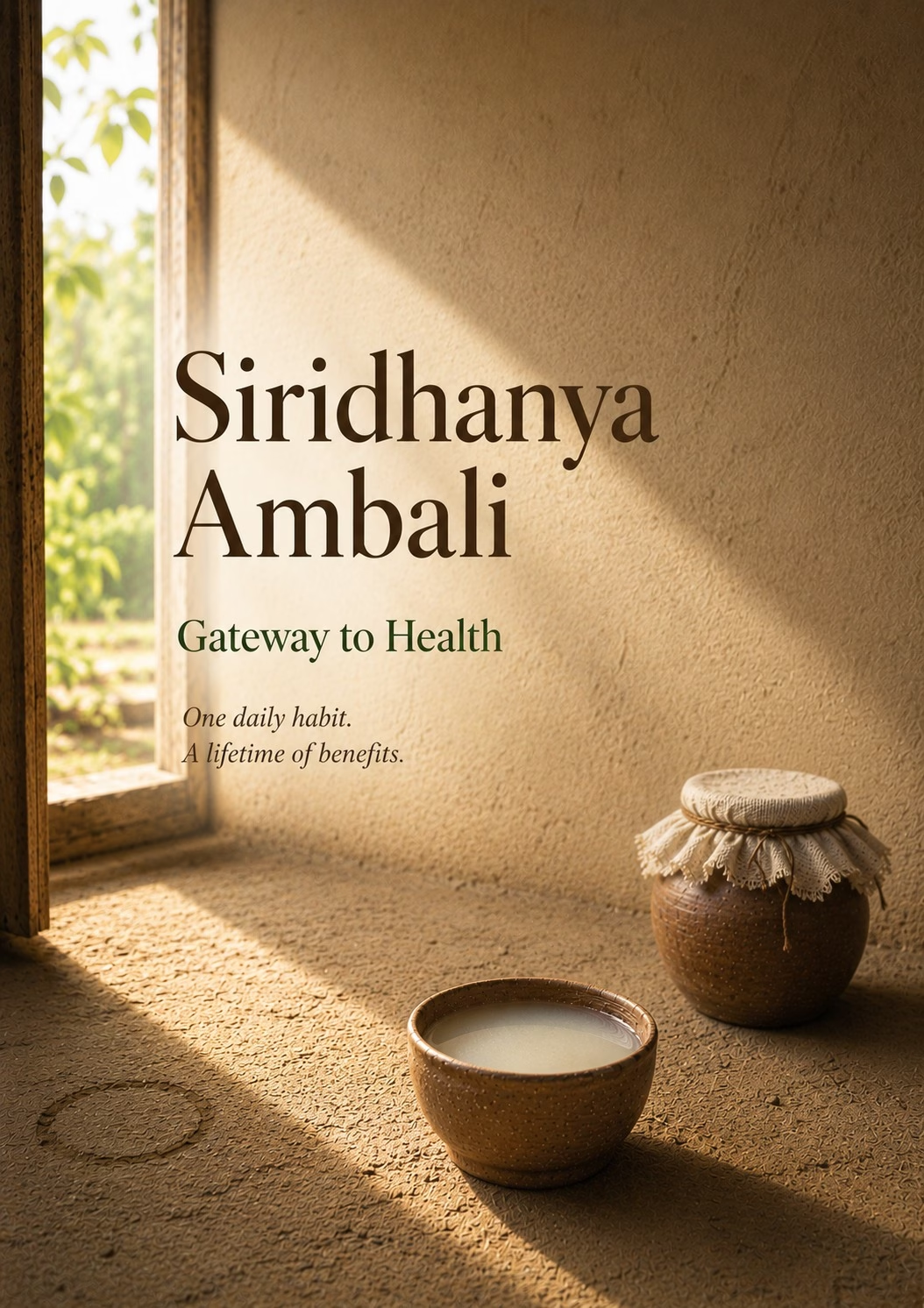
Among all millet preparations, Ambali — the traditional fermented porridge — deserves its own recognition. If millets are the foundation, Ambali is a superstructure built upon it. The fermentation process deepens the nutritional profile, enhances bioavailability, and adds a dimension of gut nourishment that elevates it beyond ordinary food. It is a super-upgrade to daily life. If you have not yet explored it, that is the place to begin.
An Appeal: Do Not Let a Small Obstacle Become a Great Loss
I know what the common objection is. Soaking. The need to plan ahead. The unfamiliarity of preparation.
Let me be direct about this: avoiding millets because soaking feels inconvenient is like refusing to drink water because it requires purification. The inconvenience is real but trivial. The consequence of avoidance is not trivial at all.
Your family’s health — mental, emotional, hormonal, digestive — rests significantly on what is placed on the table each day. That is not a responsibility to be managed away with a simpler excuse. Learning to prepare millets is a one-time investment. The benefit is a lifetime. There are very few investments — financial, personal, professional — that offer that kind of return.
“Invest time in MilletMagic Youtube Channel. Master the art once; reap the health rewards for a lifetime.”
Millets can be cooked tasty many times tastier than rice and wheat it’s just a matter of patience and Adaptation.
The Quiet Truth My Month of Absence Revealed
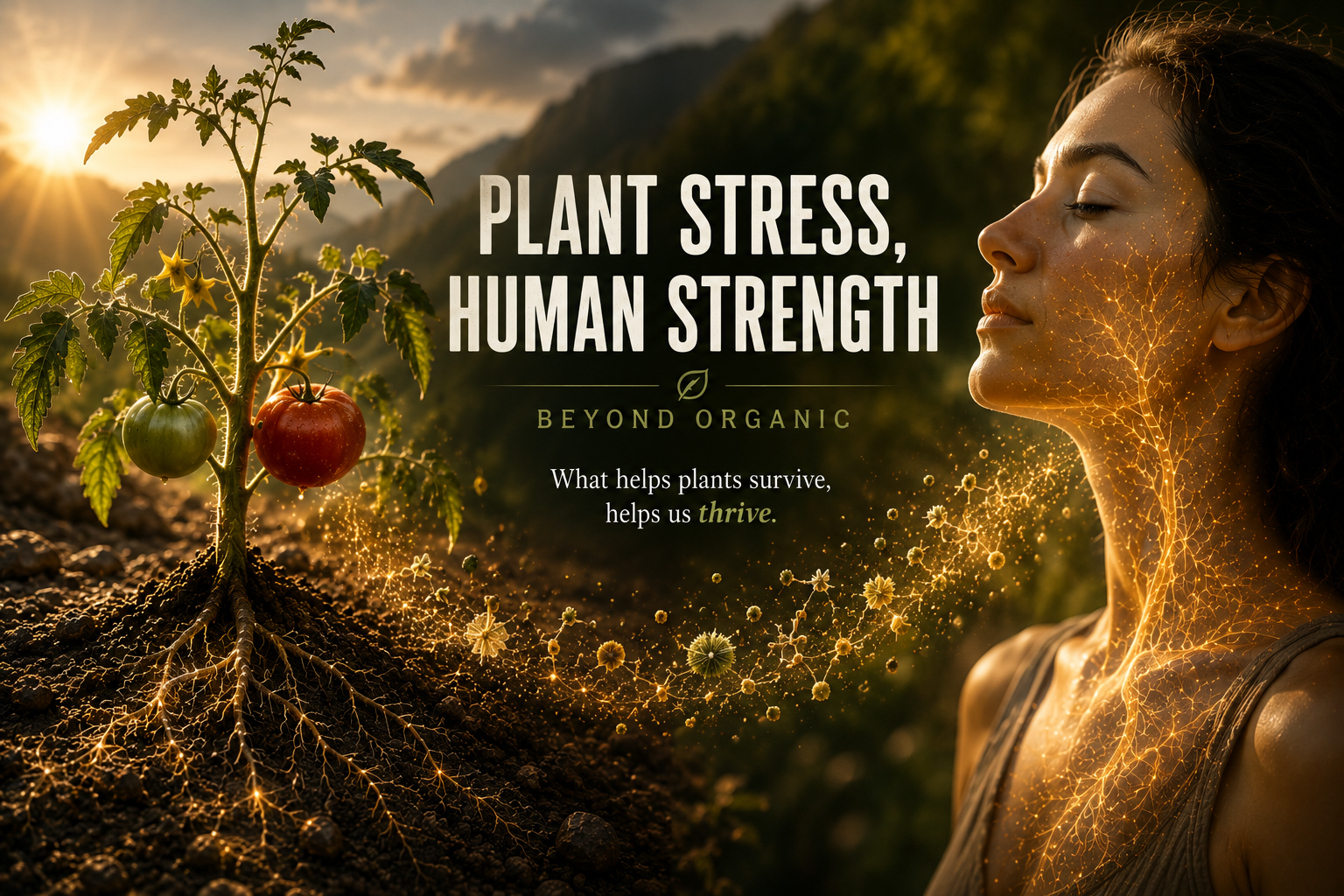
This period revealed something I had suspected but not felt with such clarity: most of the minor and major health issues I have carried through life are downstream of rice, wheat, and sugar. These three have been the silent architects of imbalance — and millets, quietly and consistently, have been the counter-force.
There Is No Alternative. I Mean That Literally.
Slow glucose, deep prebiotic fibre, hormonal support, alkaline digestion, mineral density — this combination doesn’t exist anywhere else. Not in oats, not in quinoa, not in any supplement. Millets aren’t one option among many. They’re the thing itself.
Searching for an alternative to millets is like searching for an alternative to water or oxygen. I know that sounds like a strong thing to say. But after six years of eating them every day and one month of going without — I’m not saying it to make a point. I’m saying it because it’s simply what’s true. And it not just me you will find millions and millions of people who have the experience.
Return to millets. Not as an experiment. As a homecoming.
Thank You for reading
Note to the Reader
This is entirely my own experience — six years of eating millets daily and one month without them by circumstance. I’m not a doctor or nutritionist. Nothing here is medical advice. If you have health conditions, please work with someone qualified. I’m just a person who noticed what happened to their own body and felt it was worth sharing honestly.





Very good blog. Simple to follow. A way to prepare Ambali with pictures is awesome